
- All
- Product Name
- Product Keyword
- Product Model
- Product Summary
- Product Description
- Multi Field Search

Views: 0 Author: Site Editor Publish Time: 2026-01-27 Origin: Site


When engineers and purchasing managers around the world look at coaxial lines for cellular communication systems, the RG174 Cable stands out as the clear winner. With an overall diameter of 2.80 mm, this flexible cable performs exceptionally well and gives current cellular networks the dependability and flexibility they need. With its 50-ohm impedance and better shielding abilities, RG174 provides the best signal transfer at a low cost for a wide range of uses, from antenna systems to telecommunications infrastructure.
Understanding RG174 Cable and Its Specifications
When it comes to high-frequency applications in cellular communication settings, RG174 is a sophisticated coaxial cable option. This type of cable has an inner conductor made of stranded wires, which makes it more flexible while still meeting the electrical performance standards needed for professional installs.
Core Construction and Technical Specifications
The basic structure of RG174 is based on its 50-ohm impedance property, which makes it perfect for wireless apps like GPS, WLAN, and cellular communications. The cable's small overall diameter of 2.80 mm makes it easy to connect to micro-coaxial connections like MMCX, MCX, TS9, and SMB types. This advantage in terms of size is especially useful in installations with limited room where bigger cables can't fit the necessary routing paths.
Material Composition and Performance Characteristics
There are different types of conductors in RG174 Cable, such as bare copper, copper-clad aluminum, and copper-clad steel inner conductors. Each has its own benefits for different types of applications. The solid PE dielectric material keeps its electrical properties the same in all kinds of environments. The bare copper braid or copper-clad aluminum braid shielding keeps electromagnetic interference at bay.
Environmental Adaptability and Jacket Options
The outer jacket of the wire can be made of PVC, PE, or LSZH (Low Smoke Zero Halogen) material, so it can be used in a variety of installation settings and meet different safety standards. You can change the colors, and there are also standard black and white options. This helps with organized installation and visual identification methods, which are important for complex cellular communication systems.
Top Performance Advantages of RG174 Cable in Cellular Communication
RG174 has great performance qualities that make it a great choice for cellular communication applications where signal integrity and installation freedom are still very important for project success.
Superior High-Frequency Performance
Superior High-Frequency Performance RG174 demonstrates remarkable signal transmission capabilities across cellular frequency bands, maintaining low attenuation levels that preserve signal strength over extended cable runs. This performance advantage directly leads to more reliable cellular networks and less signal degradation, both of which have a big effect on the total performance of the system and the quality of the user experience.
Enhanced Installation Flexibility
The cable is naturally flexible because it has a small diameter and stranded inner conductors. This makes it easier to place in tight spaces where rigid cables would not work. This advantage of flexibility cuts down on installation time and complexity while also lowering the risk of damaging cables while routing them through tight areas or around obstacles that are common in cellular infrastructure deployments.
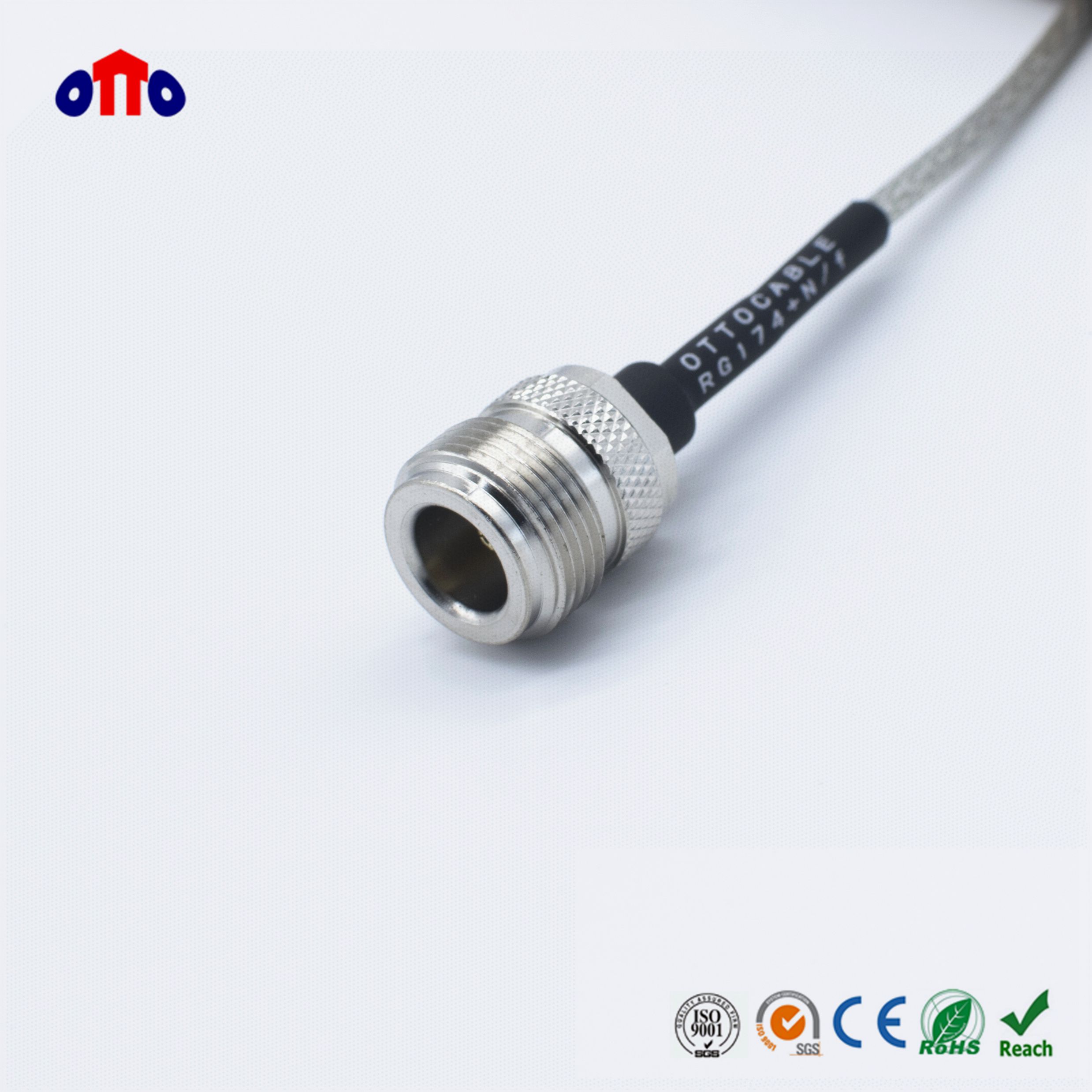
Robust Electromagnetic Shielding
Due to its thorough shielding design, RG174 effectively blocks electromagnetic interference that could otherwise lower the quality of a cell phone signal. This shielding's effectiveness is especially important in places with a lot of RF noise. It makes sure that transmission works well even in tough electromagnetic environments like those found in urban cell phone towers.
These performance benefits work together to make cellular networks more reliable and efficient, which is important for procurement managers who need reliable solutions for important communication infrastructure projects.
Comparing RG174 Cable with Other Common Cables for Cellular Applications
As procurement professionals, knowing how RG174 compares to other cable options helps them make smart choices based on the needs and performance standards of each project.
RG174 Versus RG58 Comparison
RG58 cables, while sharing the 50-ohm impedance characteristic, feature larger overall diameters that limit their suitability for space-constrained applications. The RG174 Cable's superior flexibility and reduced size make it the preferred choice for installations requiring tight bend radii or routing through confined pathways. The smaller diameter also enables compatibility with a broader range of micro-connectors essential for modern cellular equipment interfaces.
RG316 Alternative Analysis
When compared to normal RG174 cables, RG316 cables can handle higher temperatures, which means they can be used in harsh environments. This benefit in temperature performance, on the other hand, comes with higher costs and maybe less flexibility. For normal cell phone uses that happen in normal temperature ranges, RG174 is the most cost-effective option that still meets performance standards
LMR195 Performance Comparison
Compared to RG174 cables, LMR195 cables have lower signal loss, especially when the lines are run longer distances. However, LMR195's larger size and less flexible design can make installation more difficult and limit its usefulness in places with limited room. Which of these options to choose relies on how much signal loss is needed, how flexible the installation needs to be, and how much it costs.
Looking at these differences shows that RG174 is special in the market for cellular communication cables because it has the best performance, freedom, and value for money for most cellular application needs.
Procurement and Bulk Purchasing Considerations for RG174 Cable
Successful procurement of RG174 cables requires careful evaluation of supplier capabilities, product specifications, and long-term support services to ensure project success and operational reliability.
Supplier Evaluation and Quality Assurance
When selecting suppliers for bulk RG174 cable procurement, verification of manufacturing capabilities and quality control systems becomes essential. Reputable suppliers maintain comprehensive testing protocols and possess relevant certifications including ISO9001, CE, RoHS, and REACH compliance. These certifications provide assurance that products meet international quality standards and environmental regulations critical for professional cellular installations.
Customization Options and Lead Time Management
Modern cellular projects often require customized cable solutions including specific connector types, non-standard lengths, or specialized jacket materials. Effective suppliers offer comprehensive customization services while maintaining reasonable lead times typically ranging from 10 to 15 days for standard orders. Understanding supplier capacity for rapid prototyping and small-batch production supports project timeline management and reduces procurement risks.
Cost Optimization and Volume Purchasing Strategies
Bulk purchasing strategies for RG174 cables should consider total cost of ownership including initial purchase price, installation efficiency, and long-term reliability factors. Volume commitments often enable preferential pricing structures while ensuring consistent product availability for ongoing projects. Establishing framework agreements with qualified suppliers can streamline future procurement activities while securing favorable commercial terms.
Brand Insights and Supplier Recommendations for RG174 Cable
Choosing the right suppliers has a big effect on how the project turns out because of things like product quality, technical help, and the reliability of the service in the long term, which go beyond the initial procurement activities.

Industry-Leading Manufacturer Evaluation
Companies that have been making RF cables for a long time have decades of knowledge and a track record of success in cellular communication applications. These businesses usually put a lot of money into research and development to make sure their goods use the newest technologies and ways of making things. Their wide range of application knowledge makes them a valuable technical resource during the phases of product selection and system design.
Certification and Warranty Considerations
Premium suppliers stand out by giving thorough product certifications and longer warranties that show they are confident in the quality of their manufacturing. Standard warranty periods of three years or more show that the seller is committed to making sure the product is reliable and protect against early failures that could affect how the cellular network works. These warranty terms are especially important for projects that will be outside for a long time and will be subject to environmental stresses.
Technical Support and Engineering Services
Better sellers back up their products with strong technical support services, such as application engineering, help with custom design, and troubleshooting after installation. This technical knowledge comes in very handy during complicated cellular installs, where application-specific problems need expert help to get the best performance results.
Suppliers who can provide long-term value for cellular communication projects that need reliable RG174 cable solutions have a track record of producing high-quality products, a wide range of certifications, and a lot of expert support services.
Conclusion
RG174 cables are the best choice for cellular communication uses that need to send signals reliably, be easy to install, and work well at a low cost. The cable's 50-ohm impedance, small 2.80mm diameter, and excellent shielding meet the basic needs of current cellular networks while supporting a range of connectors needed for modern equipment interfaces. For procurement to go well, suppliers must be carefully evaluated based on their manufacturing skills, certifications, and technical support services that guarantee the long-term success of the project and the reliability of operations.
FAQ
What range of frequencies does RG174 wire work with for cell phones?
RG174 wire works well with cellular frequency bands from 850 MHz to 2.4 GHz and higher. This means it can be used for GSM, CDMA, LTE, and new 5G applications. The electrical properties of the cable keep the signal strong across these frequency bands and provide stable impedance matching, which is necessary for the best performance of a cellular network.
In RG174 installations, how does the length of the wire affect signal loss?
The loss of signal in RG174 wire changes with frequency and cable length, but at 1 GHz, it's usually around 0.4 dB per foot. For cellular uses, cable runs should be optimized to keep placement options open and reduce signal loss as much as possible. Choosing the right connectors and installing them correctly have a big effect on how well the system works and how good the signals are.
Does RG174 wire work well in outdoor environments?
RG174 cable that has the right jacket material, like PE or LSZH, can handle various outdoor circumstances, such as changes in temperature and exposure to water. When you seal connectors properly and organize your cables properly, you can be sure that outdoor cell phone setups will be reliable for a long time and meet the electrical performance standards needed for professional use.
Partner with OTTO CABLE for Premium RG174 Cable Solutions
With decades of experience in RF cable development and manufacturing for cellular communication applications, OTTO CABLE Technology is a top RG174 Cable manufacturer. As part of our wide range of products, we offer high-quality RG174 coaxial cables that are designed to meet the strict needs of current cellular infrastructure projects. We offer reasonable prices and great technical support along with strict quality standards thanks to our ISO9001 and ISO14000 certifications.
Our advanced manufacturing skills allow us to make 150 km of cables every day across three shifts. This means that for urgent projects, we can supply them in 10 to 15 days or less. Contact us at jay@ottocable.com for detailed specifications and volume pricing on our industry-leading RG174 Cable solutions.
References
1. Institute of Electrical and Electronics Engineers. "Coaxial Cable Performance Standards for Wireless Communication Systems." IEEE Standards Publication, 2023.
2. Telecommunications Industry Association. "RF Cable Selection Guidelines for Cellular Infrastructure Applications." TIA Technical Bulletin, 2022.
3. International Electrotechnical Commission. "Coaxial Cables for Radio Frequency Applications - Performance Requirements." IEC Publication Series, 2023.
4. Radio Frequency Engineering Society. "Signal Integrity in Cellular Communication Systems: Cable Selection and Installation Best Practices." RFES Technical Manual, 2022.
5. Cellular Communications Industry Association. "Infrastructure Components for Modern Wireless Networks: Technical Specifications and Performance Criteria." CCIA Industry Report, 2023.
6. Society of Cable Telecommunications Engineers. "Coaxial Cable Technology for Telecommunications Applications: Design Principles and Performance Analysis." SCTE Engineering Standards, 2022.