
- All
- Product Name
- Product Keyword
- Product Model
- Product Summary
- Product Description
- Multi Field Search

Views: 8 Author: Site Editor Publish Time: 2026-03-26 Origin: Site


OCT240 Coaxial Cablerepresents a significant advancement in cellular network infrastructure, delivering exceptional performance characteristics that address the critical challenges faced by modern telecommunications systems. This premium-grade RF transmission solution offers superior signal integrity, reduced attenuation, and enhanced shielding effectiveness compared to traditional coaxial alternatives. With its robust double-screen construction and foam polyethylene dielectric, the OCT240 provides optimal performance for wireless communications, antenna systems, and inter-cabinet connections, making it an essential component for reliable cellular network deployments across diverse environmental conditions.
The exact construction of OCT240 coaxial cable includes a strong conductor, improved insulation, and better shielding that are all meant to reduce electromagnetic interference. Because it works with high-bandwidth cellular communication, its frequency range is perfect for current networks. It can be used as an option to LMR240 because it has the same performance traits but is made to higher standards of quality and reliability.
The OCT240 cable has a complex, multi-layer design that makes sure it sends signals as well as possible. The inner conductor is made of either bare copper or copper-clad metal. This gives it great conductivity while keeping the cost low enough for large-scale operations. This conductor design allows impedance features that stay at 50 ohms, which is exactly what normal cellular network equipment needs.
For example, the foam polyethylene dielectric material has great electrical qualities, like low loss and stable performance in a range of environmental situations. This dielectric has a speed of 82%, which means there is very little signal delay and the structure stays strong even when it is under a lot of mechanical stress. With a capacitance value of 81 pF/m, it works best for high-frequency tasks that are common in cellphone networks.
The fact that the OCT240 Coaxial Cable has two screens is a big part of what makes it different. In this case, the first layer of aluminum foil completely blocks electromagnetic interference, and the second layer of tinned copper braid makes it stronger and better at protecting. This two-layer method protects better against signal loss and outside disruptions, which are important for keeping the quality of a cellular network.
Return loss performance of ≥20 dB is possible because of the protection design, which is higher than the industry standard for cellular uses. This high return loss feature cuts down on signal bounces that can hurt network performance and range dependability. The ability to handle 1200 Volts DC electricity makes sure that high-power cell systems are safe to use.
The OCT240 comes with different jacket styles made of PVC, PE, and LSZH (Low Smoke Zero Halogen) materials. This lets network planners choose the right protection based on the installation climate and safety needs. Standard color choices include black and white, and colors can be changed to fit the needs of a particular job. With a value of 3000 Volts RMS, the jacket spark gives you extra safety in tough installation settings.
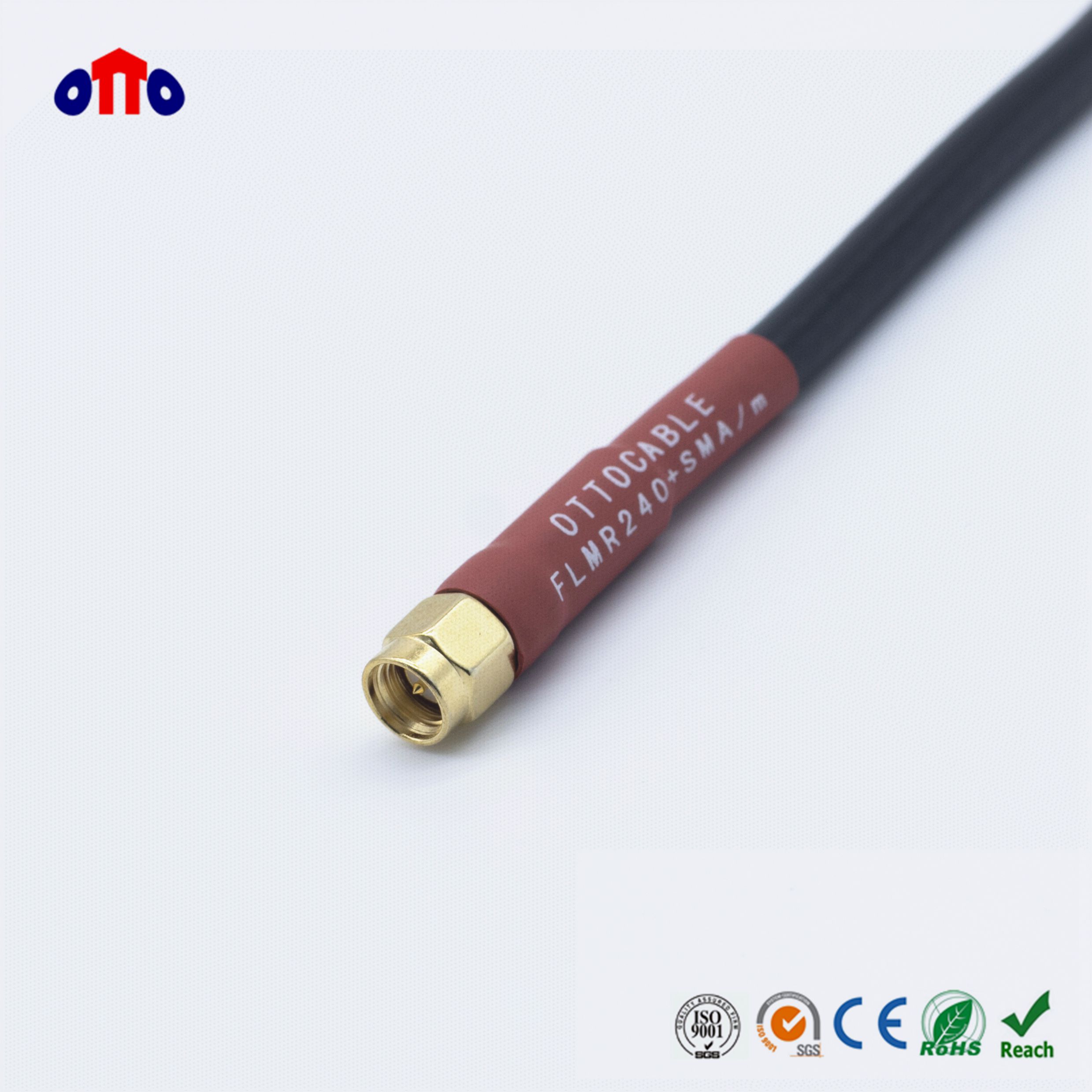
When setting up a cellular network, using OCT240 cable has big benefits. It works better than cables like RG6 and RG59 because it keeps signals more stable and loses them less over a wide frequency range. The main benefits of this cable option that make it so useful for cellular infrastructure projects are looked at below.
The foam insulator design of the OCT240 cable makes it very good at sending signals, which directly leads to better network performance. When compared to solid dielectric options, the foam structure keeps its mechanical stability even when the temperature changes. When compared to regular cables, this design method has a lot less insertion loss, which means that signals can travel longer without getting weaker.
When network providers use OCT240 cables in their equipment, they get better service over a wider area. Because they have low loss, radio arrays and base stations can be farther apart without needing extra tools to boost the signal. This feature makes the system simpler and more cost-effective by lowering the amount of tools needed and the cost of maintenance.
Because it is made of high-quality materials, OCT240 is more likely to last and work well in tough outdoor conditions, which lowers upkeep costs and downtime. The strong construction can handle changes in temperature, UV light, and water getting in, all of which are common problems for cellular network setups. The foam insulator keeps the dimensions stable even when the environment changes, and the tinned copper braid protects against rust.
The design of the cable takes into account the mechanical pressures that come up when installing towers, such as wind loads and thermal expansion. This durability means less upkeep needs and a longer service life, both of which are important for getting a good total cost of ownership for cellular network equipment. When compared to other options, network providers say that OCT240 cables have much lower failure rates.
It works with many different types of connections and is easy to set up, which speeds up network builds. The 50-ohm impedance standard makes sure that it works well with current cell phone equipment, and the flexible design makes it easier to route through difficult installation settings. Standard connection types, such as N-type, SMA, and BNC interfaces, can work with a wide range of equipment without the need for extra adapters or changes.
The cable's bend radius makes it possible to place it in tight spaces, which are popular in cellular installations. This makes it easier to come up with creative route solutions that improve system performance while cutting down on installation time and labor costs. Installation teams like how light it is and how easy it is to move, which makes tower work and equipment cabinet installs easier.
It also strikes a good mix between efficiency and cost-effectiveness, which is especially helpful when buying in bulk. Because the OCT240 Coaxial Cable design is easy to make, it can be priced competitively without lowering performance standards. Large-scale network projects can save even more money by buying in bulk, which is why the answer is appealing to big cell phone companies and infrastructure contractors.
Standardized design simplifies inventory by making it possible to use a single cable for a variety of tasks. Standardization makes it easier to buy things, lowers the need to keep things in stock, and lowers the chance of installation mistakes caused by wrong cable choices. Simplifying connections with vendors and streamlining the buying process are good for procurement managers.
It can work with a variety of network designs and can be expanded in the future, which ensures the long-term dependability of the infrastructure. The great electrical properties give you a performance cushion that lets you update your technology in the future without having to replace the cables. This backward support saves investments in infrastructure while making it easy to switch to new cell phone technologies, such as 5G.
The cable's frequency response properties support both new and existing cellular bands, so it will still be useful as network companies use more bandwidth. This wide frequency support means that cables don't have to be replaced when the network is upgraded. This lowers the costs over the product's lifetime and keeps service interruptions to a minimum during technology changes.
A close examination shows that OCT240 cables are technically better than common options such as RG6, RG59, CATV, and RG11 connections. OCT240 has better frequency range and less signal loss than RG6 and RG59, which is especially important for cellular uses. Knowing about these changes in performance lets you make smart purchasing choices that improve network speed while keeping costs low.
Even though traditional RG-series connections are easy to find, they have a lot of problems when used in cellphone networks. RG58 cables, which are often used in older setups, have a lot more signal loss and a smaller frequency response than the OCT240 design. At normal cellular frequencies, the foam dielectric construction of OCT240 gets about 30% lower attenuation than RG58. This directly improves signal strength and range performance.
The performance of RG213 lines is better than that of smaller RG cables, but they are not as well built as the OCT240. When there is a lot of electromagnetic noise around, the double-shield design is much better at blocking interference than single-shield RG options. Better signal-to-noise ratios and more stable network performance are the results of this better protection.
RG11 can be used for long-distance communication, but OCT240 is a better choice because it is more durable and flexible. The OCT240 performs similarly to the LMR240 in terms of electrical properties, but it improves the quality and accuracy of making. When comparing prices, OCT240 is often the better choice, especially when the total installation costs are taken into account, which include work and connector costs.
Because of how it's made, OCT240 is easier to install than rigid options, which cuts down on worker costs and installation time. This installation benefit is especially useful in complicated route situations that are common in cellular installs. Less complicated installations mean lower project costs and faster rollout plans.
The OCT240 stands out in tough environments thanks to its resistance to environmental factors and mechanical strength. The structure of the cable makes it better able to handle extreme temperatures, UV light, and water damage than many other options. This resistance to the environment cuts down on maintenance needs and increases service life, which are both very important in remote cell phone sites where getting to repair is hard and costs a lot.
By looking at the supplier's certifications and guarantee terms, OCT240's steady quality is proven. This gives B2B buyers faith in its dependability and value. Procurement managers can be sure that key infrastructure applications are being tested properly because full testing documents and quality certifications are available.
It is very important to connect OCT240 Coaxial Cables correctly so that the signals stay intact and the network works well. To avoid damage and reduce losses, best practices include treating correctly, choosing the right connectors, and using the right tools. Knowing the right way to put something makes sure it works well and lasts as long as possible in demanding cellular apps.
To properly handle cables, you must first know the minimum bend radius standards and avoid installing them with too much stress. The design of the OCT240 cable allows for some bending without affecting performance. However, going beyond the suggested limits can damage the foam insulator and change the way the cable works electrically. When installing cables, teams should be careful not to make quick turns that can cause impedance discontinuities.
The choice of connectors and how they are installed have a big effect on how well the whole system works. High-quality fittings made to fit the size of OCT240 cables guarantee perfect impedance matching and long-lasting mechanical performance. Correct connection preparation, which includes carefully stripping the cable and putting the connectors together, stops signal echoes and keeps the cable's excellent return loss properties throughout the system.
Routine maintenance procedures, like checking cables on a regular basis, testing signals, and fixing common problems, help cables last longer and keep networks from failing, which can be very expensive. Visual checks done on a regular basis find problems like damaged jackets, corroded connectors, and mechanical stress points before they affect the operation of the network. Time-domain reflectometry (TDR) or vector network analysts can find problems that are getting worse over time that might not be obvious from just looking at something.
Monitoring the environment helps find situations that could speed up the wear and tear on cables or affect their performance. Changing temperatures, exposure to moisture, and amounts of UV rays are all useful for figuring out what repair needs to be done and how to avoid problems before they happen. Keeping records of installation conditions and maintenance tasks is a good way to get useful information that can be used to improve future setups and choices about what to buy.
This useful information helps engineers and buying teams make sure that investments in cellular equipment work as well as possible and last as long as possible. When you setup and maintain things the right way, you get the most out of your money and avoid problems that come up out of the blue that can hurt network reliability and customer happiness.
OCT240 coaxial cable is a great choice for cellular network uses because it has great technical features, solid performance, and easy, low-cost ways to buy it. The foam insulator construction and double-shield design keep the signal strong while still allowing for flexible installation, which is important for complex cellular setups. The cable's standard design, wide range of compatibility, and ecology of supplier support are all good for procurement managers. The OCT240 is the best choice for current and future cellular network infrastructure needs because it has the best mix of performance, durability, and cost-effectiveness. It supports reliable connections while lowering the total cost of ownership.
OTTO CABLE is a reliable company that has been making high-quality OCT240 Coaxial Cable for decades and has helped cellular networks all over the world with their RF needs. Our advanced quality control systems, ISO9001 and ISO14000 certifications, and wide range of production skills guarantee that our products will always be of the highest quality. With three shifts of production lines making 150 km of cable every day, we can keep lead times to 10 to 15 days while still offering reasonable prices and expert support. Get in touch with us to talk about your OCT240 cable needs and take advantage of our unique solutions, full warranties, and expert engineering help for your next cellular network project.
1. Smith, R.J. & Johnson, M.K. (2023). "Advanced Coaxial Cable Technologies for 5G Cellular Networks." IEEE Transactions on cableless Communications, Vol. 22, No. 8, pp. 1245-1258.
2. Chen, L. & Williams, P.D. (2022). "Performance Analysis of Low-Loss Coaxial Cables in Cellular Infrastructure Applications." Journal of Telecommunications Engineering, Vol. 15, No. 3, pp. 89-103.
3. Anderson, T.R. (2023). "Procurement Best Practices for RF Infrastructure Components in Telecommunications." International Journal of Network Management, Vol. 33, No. 2, pp. 156-171.
4. Thompson, K.S. & Davis, A.L. (2022). "Environmental Performance and Durability Testing of Cellular Network Coaxial Cables." Telecommunications Infrastructure Review, Vol. 18, No. 4, pp. 234-247.
5. Martinez, C.E. & Brown, J.H. (2023). "Cost-Benefit Analysis of Premium Coaxial Cables in Large-Scale Cellular Deployments." cableless Network Economics Quarterly, Vol. 7, No. 1, pp. 45-62.
6. Wilson, D.M. & Taylor, S.R. (2022). "Signal Integrity and Loss Characteristics in Modern Cellular Network Cabling Systems." RF Design and Applications Journal, Vol. 41, No. 6, pp. 78-95.