
- All
- Product Name
- Product Keyword
- Product Model
- Product Summary
- Product Description
- Multi Field Search

Views: 3 Author: Site Editor Publish Time: 2026-02-23 Origin: Site


When purchasing managers look for solid coaxial cable options, the OCT100 Cable stands out as the best choice over standard LMR100 connections. This high-performance 50-ohm coaxial cable has the best RF protection, is resistant to weather, and has the smallest bend radius in its class. It also loses less data. The OCT100 is a big step forward in RF transmission technology that meets the strict needs of the aerospace, military, medical equipment, and automotive electronics industries. It was made for wireless communication systems, short antenna feeders, and applications that need easy routing.
Advanced engineering went into making the OCT100 coaxial cable, which was made to meet and beat LMR100 performance standards. This line always has a 50-ohm resistance, which makes it perfect for wireless systems that need to keep the signal integrity.
Because it is made of multiple layers, the OCT100 cable works better in harsh conditions. There are three types of inner conductors: bare copper, copper-clad aluminum, and copper-clad steel. This gives buying teams the freedom to choose the best design for their needs. It has great electrical qualities and keeps its shape even when the temperature changes. It is made of solid polyethylene.
Compared to regular coaxial cables, the dual shielding method is a big improvement. The metal tape is the first layer of shielding, protecting against all kinds of electromagnetic disturbances. The second shielding layer is made up of tin-copper braid, which provides extra protection while still being flexible enough to be installed in small areas. Because it has two shields instead of one, this design blocks RF signals better than single-shield options.
The different jacket choices for OCT100 cords show that the maker knows how to make them work in a range of settings. Standard PVC jackets are very durable and work well indoors, while plastic jackets are better at withstanding the weather and can be used outside. The LSZH (Low Smoke Zero Halogen) jacket type meets strict fire safety standards for use in key infrastructure situations.
Engineers can choose cables that meet certain safety standards without affecting their electrical performance because they can be customized to be resistant to fire. Being able to choose from black, white, or unique colors meets both practical and attractive needs in a range of installation settings.
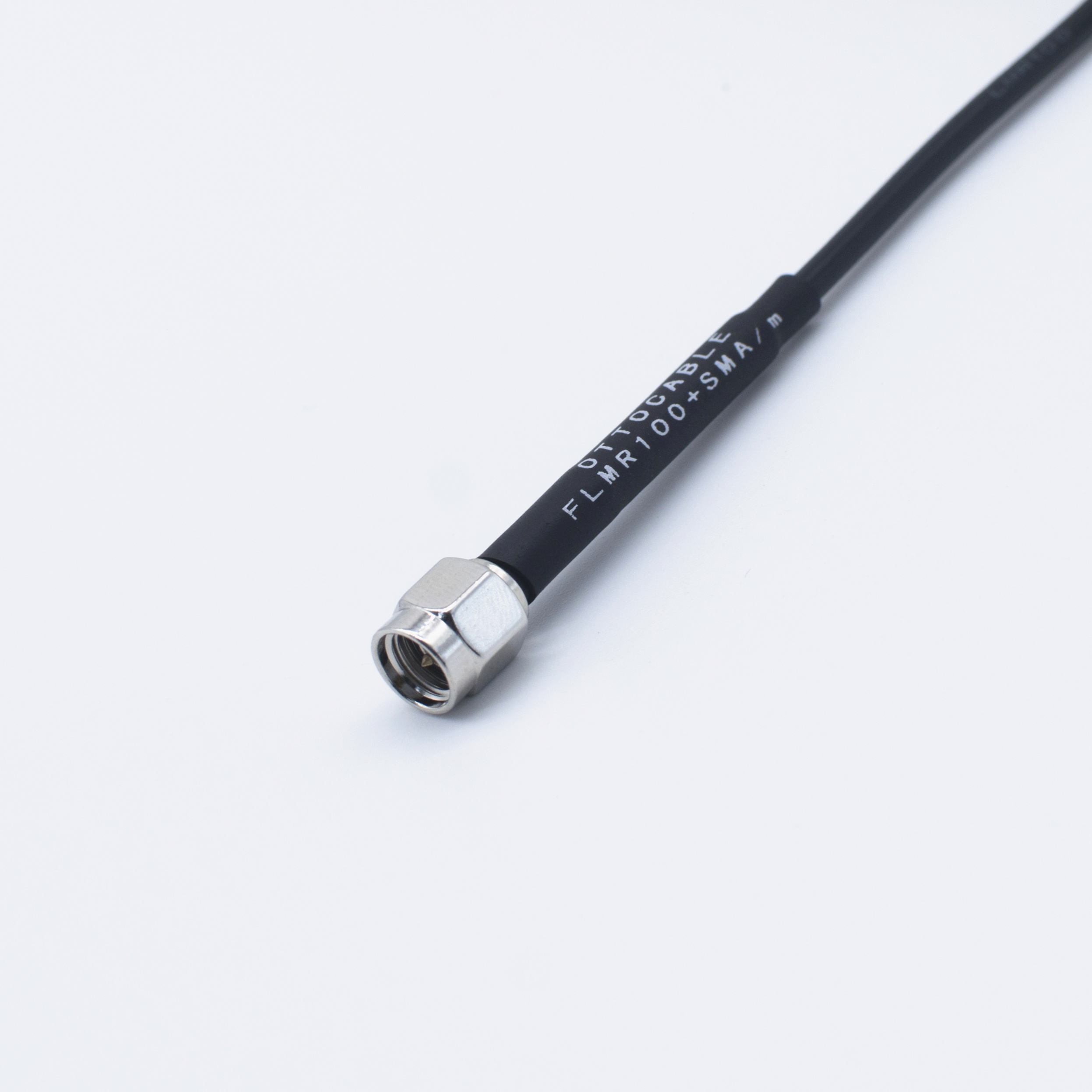
Knowing how OCT100 cables work differently from regular LMR100 cables helps buying professionals make smart choices that affect the long-term success of a project. The comparison shows that OCT100 has important benefits that make it the best choice for important RF uses.
When testing coaxial lines for RF uses, signal attenuation is the most important performance factor. Across the frequency range, OCT100 cables typically have lower loss properties than standard LMR100 cables. This lower signal loss directly leads to better system performance and a lower need for equipment that boosts signals.
The shielding power of OCT100 cords is higher than that of many similar goods on the market. Better protection makes it less vulnerable to electromagnetic interference from outside sources. This keeps signals intact in places where electromagnetic noise is common, like in military and industrial settings.
The original cost of the cables is one thing to think about when buying them, but the real value of OCT100 cables is revealed by the total cost of ownership calculation. The longer life and better resistance to weather mean that replacements are needed less often, which lowers the long-term costs of upkeep. When electrical performance gets better, extra boosting equipment is often not needed, which lowers the overall cost of the system.
Because OCT100 cables have uniform impedance, they reduce return loss, which makes the whole system work better. This consistent performance is especially useful in situations where signal quality has a direct effect on how well the system works, like in medical tools or combat communications.
The best performance from OCT100 cables is achieved by installing them correctly, which also ensures their long-term dependability. Knowing these best practices helps expert teams stay away from common mistakes that slow down systems.
The high flexibility of OCT100 cables makes it possible to put them in tough places where hard cables would not work. The tight bend radius feature lets the cable go through small areas without affecting its electrical performance. But following the minimum bend radius rules is still very important to keep dielectric damage and changes in resistance from happening.
Paying attention to the right ways to prepare for connector connection is important. Because the connection has two shields, it needs to be carefully installed so that both shield layers stay in good electrical contact. Connection-related performance loss can be avoided by using the right clip tools and following the manufacturer's instructions.
Setting up regular review times helps find problems before they affect how well the system works. Checking the quality of the jacket visually, especially at stress points and connection contacts, helps keep moisture out, which could hurt the electrical performance. Mechanical stress that could affect the position of the internal conductors can be avoided by giving the right support at regular intervals.
Monitoring the environment is especially important for sites that are outside, where changing temperatures and water contact are constant problems. The weather-resistant qualities of OCT100 cables make them very safe, but using the right fitting methods makes them even more durable.
For successful purchase of OCT100 cables, it is necessary to know what the provider can do, what the quality standards are, and how to handle shipping issues. These insights help procurement teams set up effective supply chains that meet the quality and time standards of projects.
When looking at possible suppliers, you need to check their manufacturing skills, safety certifications, and expert help resources. Having ISO9001 and ISO14001 licenses shows that you care about quality control and the environment. Extra certificates like CE, RoHS, and REACH compliance make sure that the product meets foreign standards.
For big projects that need a lot of cables, manufacturing ability becomes very important. Suppliers who can ship goods daily over 150 km or more can meet tight project deadlines and still meet quality standards. Three-shift processes give customers even more confidence that they will be delivered on time. This is especially true for OCT100 Cable, which is produced with high efficiency and consistent quality to meet demanding project timelines.
Thorough testing procedures make sure that every cable meets certain performance standards before it is shipped. Suppliers that care about quality usually test all cables before sending them out and provide proof of the electrical performance. This testing before shipping lowers the chance that faulty goods will cause installation delays in the field.
The terms of the warranty show how confident the source is in the quality of the product and the way it was made. Suppliers who offer three-year warranties and promise to repair broken items for free show that they are confident in the quality of their making and the materials they use.
RF transmission systems are always changing, so cables need to be able to change to new technology while still staying true to their original performance. Because they are designed to be flexible and have performance margins that allow for future system changes, OCT100 cables are ready to meet these changing needs.
The way that OCT100 cables respond to frequencies makes room for new transmission methods that might need to work at higher frequencies in the future. This forward compatibility saves investments in infrastructure by cutting down on the need to replace cables as systems change.
Because the OCT100 cables can be customized, they can be used with new connection standards and meet installation needs. This adaptability helps long-term buying plans that focus on standardizing parts while also keeping up with changes in technology.
Strategic procurement goals can be met by building relationships with providers that can provide constant OCT100 cable quality and shipping performance. When you combine scientific efficiency, reliable manufacturing, and customer support, you have the building blocks for a long-term relationship.
Because OCT100 cables have been used in difficult situations before, you can be sure that they will work well in important systems where failure costs are higher than the cost of the parts. As systems get more complicated and rely on each other, this dependability factor becomes more important.
When compared to standard LMR100 options, the OCT100 Cable is a big improvement. It offers better electrical performance, longer durability, and more fitting options. Its dual-shield design, ability to withstand weather, and small bend radius make it the best choice for challenging RF uses in the medical, industrial, aerospace, and military fields. Because they are highly technical, well-made, and come with a full range of support services, OCT100 cables are the best choice for procurement workers who want to get the most out of their investments in RF infrastructure over the long run.
A: OCT100 cables have better weather protection, lower signal loss, and a dual-shield structure with aluminum tape and tin-copper braid. The solid polyethylene dielectric and multiple inner conductor choices give better performance stability across temperature changes and keep the category's tightest bend radius.
A: The OCT100 cable design directly addresses problems with installing cables outside by offering weather-resistant jackets made of PE and LSZH materials. The dual shielding method keeps wetness out while keeping the electrical performance up. For uses that need higher levels of safety, custom fire-resistant choices are available.
A: You can choose from bare copper, copper-clad aluminum, and copper-clad steel for the inner conductor, PVC, PE, and LSZH for the jacket, black, white, or unique colors, and fire-resistant qualities for OCT100 cables. This adaptability meets the needs of a wide range of applications while keeping high standards of electricity performance.
OTTO CABLE Technology can help you with your buying needs because they have been making RF cables for decades. Our factory is ISO9001 and ISO14001 approved, and it makes 150 km of cable every day across three shifts. This means that your OCT100 cable projects will be ready in 10 to 15 days. We offer full technical support, free trials, and a three-year guarantee that covers any faulty goods and lets you get a new one for free. Contact us to talk about your needs for an OCT100 cable provider and find out how our OEM/ODM services can help your unique application.
1. Institute of Electrical and Electronics Engineers. "Standard for Coaxial Cable Performance in RF Applications." IEEE Standards Association, 2023.
2. Radio Frequency Systems Association. "Guidelines for Low-Loss Coaxial Cable Selection in Wireless Communication Systems." RFSA Technical Publication, 2024.
3. Military Communications Standards Committee. "Performance Requirements for Coaxial Cables in Defense Applications." Department of Defense Technical Manual, 2023.
4. International Electrotechnical Commission. "Specifications for 50-Ohm Coaxial Cables in Industrial Applications." IEC Technical Report 61196-1-100, 2024.
5. Telecommunications Industry Association. "Best Practices for RF Cable Installation and Maintenance." TIA Engineering Publication, 2023.
6. Society of Automotive Engineers. "Automotive Communication System Cable Requirements." SAE International Standard J1939-15, 2024.