
- All
- Product Name
- Product Keyword
- Product Model
- Product Summary
- Product Description
- Multi Field Search

Views: 3 Author: Site Editor Publish Time: 2026-02-20 Origin: Site


The OCT 400 Cable is a big step forward in wireless communication technology. It was made for high-performance uses that need to keep signals intact and lose as little data as possible during transfer. This option is a high-quality coaxial cable that meets the same standards as LMR400. It has great performance and a 50-ohm impedance, which makes it a perfect replacement for old RG8 and RG213 cables. The cable is made with high-tech materials, including a copper-clad aluminum inner conductor, a foam PE insulator, and two layers of shielding made of aluminum foil and tin copper braid. This gives it better protection against electromagnetic interference in a wide range of wireless communication settings.
The OCT 400 Cable is a great example of engineering greatness when you look at its detailed technical specs and strong building methods. This modern coaxial solution has great performance qualities that make it a better choice than standard cable options for wireless communication tasks.
The cable's complex design uses carefully chosen materials that are best for performance and durability. The copper-clad aluminum inner conductor is very good at conducting electricity and is more flexible and lighter than solid copper options. This arrangement of conductors makes sure that signals are sent reliably over long distances without affecting the structure's strength.
The insulator layer made of foam polyethylene is an important part of the cable's great electrical qualities. This low-loss dielectric material is a big reason why the cable has an amazing 84% velocity of propagation grade. This means that signals can be sent faster with less phase distortion. The cellular structure of the insulator keeps the impedance properties the same across all working frequencies while reducing signal loss as much as possible.
This coaxial cable is different from others because it uses advanced dual-layer protection technology. The aluminum foil shield on the main side blocks all electromagnetic interference, and the tin copper braid on the secondary side makes it stronger and more effective at protecting. This combination has better return loss performance than 20 dB, which makes sure that the signal quality is at its best in difficult electromagnetic settings.
The cable can handle voltages of up to 2500 Volts DC, and its jacket spark resistance of 8000 Volts RMS shows that it is built to last. Because of these features, it works especially well for high-power wireless uses that need to be safe and reliable with electricity.
Certain electrical factors make the cable's great performance stand out. The precise 50-ohm impedance tolerance makes it easy to connect to standard wireless communication gear, and the low capacitance value of 78.4 pF/m keeps signal loss to a minimum across all frequency ranges. Because of these features, the cable is known for having the lowest loss performance of all RG8 and RG213 goods that are similar.
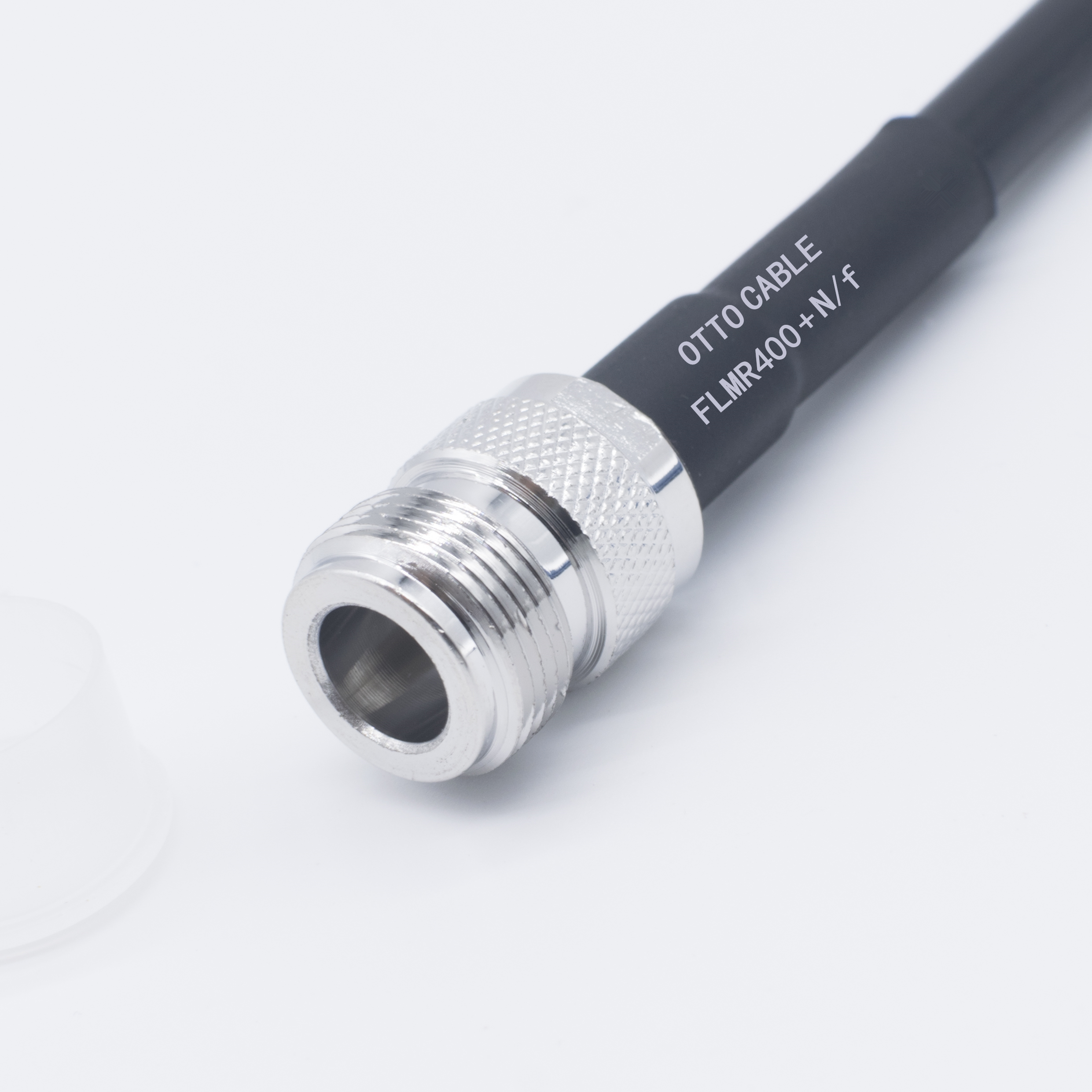
Modern infrastructure for wireless communication needs cable solutions that are reliable, fast, and can handle a wide range of tasks in a variety of settings. The OCT 400 Cable works great in these tough situations, giving reliable performance that makes the whole system more reliable and efficient.
One of the most important places to use high-performance coaxial lines is in cellular base stations. Because the cable has low loss, it is especially useful for antenna feeder runs where signal integrity has a direct effect on covering area and transmission quality. Its strong construction can handle difficult outdoor situations like changing temperatures, being wet, and wind loading that puts stress on the structure.
Because the cable works with current systems, it makes upgrades easier when old RG8 or RG213 cables need to be replaced. System experts like that this feature allows for seamless interaction, which makes installations easier and cuts down on downtime during infrastructure upgrades.
The constant impedance and low-loss performance of the cable are very helpful for Distributed Antenna Systems (DAS). For indoor wireless coverage options to work, the signal needs to be reliably spread across many floors and zones. This means that the cable's stable electrical properties are very important for keeping the signal quality high throughout the distribution network.
You can choose from jackets made of PVC, PE, or LSZH (Low Smoke Zero Halogen), which gives you choices for a variety of fitting settings. Low-emission cable materials are required by fire safety rules in enclosed areas, which is where LSZH versions are especially useful.
To get good long-term performance, you need to follow set repair procedures that protect the cable's electrical and mechanical qualities. Regular visible checks help find problems before they affect how well the system works, and regular electricity testing makes sure that the system is still meeting performance standards.
Taking steps to protect the environment, like properly supporting cables, closing off wetness, and blocking UV rays, can make outdoor electronics last longer. These preventative repair methods make sure that the cable works the same way for as long as it's supposed to.
When choosing cables strategically, you need to look at their performance, cost, and how reliable they will be in the long run. When procurement professionals know how different types of cables compare, they can make choices that meet the needs of both the current project and the business in the long run.
When compared to regular RG8 and RG213 lines, the OCT 400 Cable has better loss properties, which directly leads to better system performance. Signal attenuation is measurably lower thanks to the advanced dielectric material and improved cable design. This is especially important for long cable runs where cumulative losses can have a big effect on system performance.
Because the insulation on this connection is stronger, it protects against electromagnetic interference better than older options. As the density of the wireless band keeps going up, making it harder for communication systems to work, this better EMI security becomes more and more important.
More expensive quality connections may need a bigger initial investment, but their better performance usually makes up for it by making systems work better and needing less upkeep. The cable's long life and steady performance mean that it doesn't need to be replaced as often, which lowers the total cost of ownership over the system's working lifespan, especially when using high-quality options like OCT 400 Cable.
Extended insurance coverage and a history of dependability make the value argument even stronger. Many installations that use high-quality coaxial cables need to be serviced much less often than setups that use standard-grade alternatives.
The better performance of the cable is due in large part to advances in material science. The foam PE dielectric has better electrical qualities than solid dielectrics and makes the cable lighter overall. This decrease in weight makes assembly easier and lowers the load on reinforcement systems.
Another important difference is resistance to the environment. The materials used to make the cable are more resistant to damage from UV light, changing temperatures, and water getting in than many other options. This better resistance to the environment is especially useful for outdoor setups where the cables are constantly exposed to harsh circumstances.
To make good buying plans for high-performance coaxial cables, you need to know what the suppliers can do, how to make sure the quality is good, and how the supply chain works. Cost optimization, quality assurance, and reliable delivery are all important parts of buying plans that help projects stay on schedule and meet their performance goals.
When looking for trusted providers, you need to look at their manufacturing skills, quality control methods, and certification compliance. Suppliers with ISO9001 and ISO14001 licenses show that they are dedicated to consistent quality control and caring for the environment. With these certificates, you can be sure that the ways that products are made meet international standards for quality and environmental management.
Product approvals like CE, RoHS, and REACH compliance make sure that products meet regulations in all global areas. Listing on the UL gives extra proof for uses that need known safety certifications. These approvals are proof that the product is safe and works well, as verified by a third party.
To handle your inventory well, you need to know about standard production plans and lead times. Standard production lead times of 10 to 15 days meet most project planning needs, and faster production choices meet pressing project needs. Knowing these time limits helps procurement pros make project schedules and backup plans that are more realistic.
For custom setups, the minimum order quantity is usually around 3000 meters. For regular goods, the minimum order quantity may be different. Planning purchases around these minimums helps keep costs low while making sure there are enough supplies to finish the job.
Coverage under a full guarantee is an important way to lower the risk of important communication infrastructure projects. Three-year warranty terms with replacement policies for defective products show that the maker trusts the quality of the product and protect against breakdowns before they should.
For complicated projects that need unique solutions, technical support services like engineering advice and custom design work are very useful. Having access to skilled technology teams can help with installation problems and make the system run better.
Quality coaxial links are the best choice for hard wireless communication tasks because they work better technically, have been proven to be reliable, and come with a lot of support. These benefits help explain why the biggest names in communication always choose high-end cable options like OCT 400 Cable for important building projects.
Cable design and production technology is always getting better, which has led to goods that work much better than older ones. Advanced materials science, precise manufacturing methods, and strict quality control procedures work together to make cables that perform better electrically and last longer mechanically than the norm.
Because the cable has very low loss, system performance is directly better, and longer cable runs are possible without signal damage. This feature gives system builders more options for where to put tools and how to best arrange infrastructure.
The fact that many major information companies have started using the technology shows that it works in the real world. The cable's versatility and dependability in demanding uses are shown by its successful use in aircraft, military, medical equipment, and car electronics, among other fields.
Performance claims can be objectively backed up by independent testing and approval by well-known labs. These third-party checks give people who buy things trust in the product specs and expected levels of performance.
Investing in high-performance cable infrastructure is a good way to protect yourself from problems in the future, since communication systems are always changing to handle higher speeds and more data. Its superior electrical properties make it compatible with new technologies while still delivering excellent performance in current uses.
The strong design and high-quality materials of the cable make it last longer, which saves infrastructure assets over long service periods. As communication systems get more complicated and expensive to update, this durability becomes more important.
For wireless communication tasks that need top-notch performance, dependability, and durability, the OCT 400 Cable is the best choice. Its advanced design, better electrical properties, and full certification compliance make it an ideal choice for important building projects in a wide range of fields. The combination of excellent technical quality, proven dependability, and full supplier support gives procurement workers faith in the cables they choose, ensuring that systems work at their best for long periods of time.
A: The cable can handle a working voltage of up to 2500 Volts DC, and its jacket spark resistance is rated at 8000 Volts RMS. These specs make sure that the cable can be used safely in high-power wireless communication applications, and they also give a lot of safety limits for normal use.
A: Of course, the OCT 400 Cable is a great drop-in replacement for RG8 and RG213 lines and works even better electrically. It works with standard connections and has the same physical size, which makes upgrading easier without having to change the infrastructure.
A: Standard production lead times for most setups are between 10 and 15 days. Faster delivery is possible for projects that need it. Depending on the exact needs and the current production plans, custom specifications may need more wait time.
OTTO CABLE has been making RF cables for decades and is dedicated to quality. This makes us the best OCT 400 Cable provider for difficult wireless communication projects. Our facilities are ISO9001 and ISO14001 certified, we offer a full three-year insurance, and we can speed up shipping to make sure your projects run smoothly and on time. Get in touch with us right away to talk about your unique needs and get competitive prices on high-quality coaxial cable options that work very well and are reliable.
1. Institute of Electrical and Electronics Engineers. "Standard for Coaxial Cable Performance in Wireless Communication Systems." IEEE Communications Standards, 2023.
2. Wireless Infrastructure Association. "Best Practices for RF Cable Selection in Modern Communication Networks." WIA Technical Publications, 2023.
3. International Electrotechnical Commission. "Coaxial Cable Testing Methods and Performance Criteria for Telecommunications Applications." IEC Standards Documentation, 2022.
4. Society of Cable Telecommunications Engineers. "Advanced Materials and Construction Techniques for Low-Loss Coaxial Cables." SCTE Technical Journal, 2023.
5. Federal Communications Commission. "Technical Requirements for Wireless Communication Infrastructure Cabling." FCC Equipment Authorization Guidelines, 2023.
6. International Organization for Standardization. "Quality Management Systems for Cable Manufacturing and Testing Procedures." ISO Technical Specifications, 2022.