
- All
- Product Name
- Product Keyword
- Product Model
- Product Summary
- Product Description
- Multi Field Search

Views: 5 Author: Site Editor Publish Time: 2026-02-18 Origin: Site


This OCT200 antenna feeder cable is a big step forward in coaxial cable technology. Its MIL-C-17 approved design gives you the best signal quality. This cable is made with high-quality materials, like bare copper or copper-clad aluminum cables and dual-layer shielding systems, which keep the 50-ohm resistance stable and reduce signal loss. Its foam PE dielectric and advanced shielding design make it work better with wireless communication systems. This makes it perfect for antenna feeder runs, equipment links inside the cabinet, and inter-cabinet cables where signal integrity is very important.
Because it was made to meet the special needs of current communication systems, the OCT200 coaxial cable is the best option on the market for antenna feeders. This cable, which meets the standards for LMR200, works very well because it has carefully designed parts that work together to improve the quality of the signal transfer.
The OCT200's technical base is its 50-ohm impedance design, which makes sure that all transmission devices can match signals perfectly. With a propagation rate of 84%, the cable keeps signal transfer running smoothly while reducing delays that could hurt system performance. The capacitance value of 80.1 pF/m makes the electrical properties stable, and the impressive voltage withstand capability of 1200 Volts DC makes sure that it can work reliably even in tough electrical settings.
The cable's return loss standard of ≥20 dB shows that it has better signal reflection properties, which means that more of the power it sends gets to where it's supposed to go instead of being sent back to the source. This standard is very important for keeping the signal quality high in sensitive contact situations where every decibel of performance counts.
The OCT200 is made from high-quality materials that were chosen for their electrical and mechanical qualities. As a choice for the inner conductor, customers can choose between bare copper and copper-clad metal, depending on the needs of their application and the cost. For important uses, bare copper has the best conductivity. On the other hand, copper-clad aluminum has great performance at a lower cost.
The foam PE insulator material is very important for keeping the signal strong because it keeps its electrical properties stable even when the surroundings changes. The dielectric material in this cable helps it have great speed of transmission properties while keeping the impedance fixed along its length.
The OCT200 uses a complex dual-layer shielding method that improves data clarity by reducing electromagnetic interference by a large amount. The main shielding layer is the metal tape, which completely blocks out outside sources of radiation. The tin-copper thread is the secondary shield; it adds mechanical safety and makes the shielding work better overall.
External electromagnetic fields that could lower signal quality or add unnecessary noise to the communication system can't reach the delicate signals inside this two-layer setup. When these protective materials are put together, they work better than single-layer options that are usually found in coaxial lines.
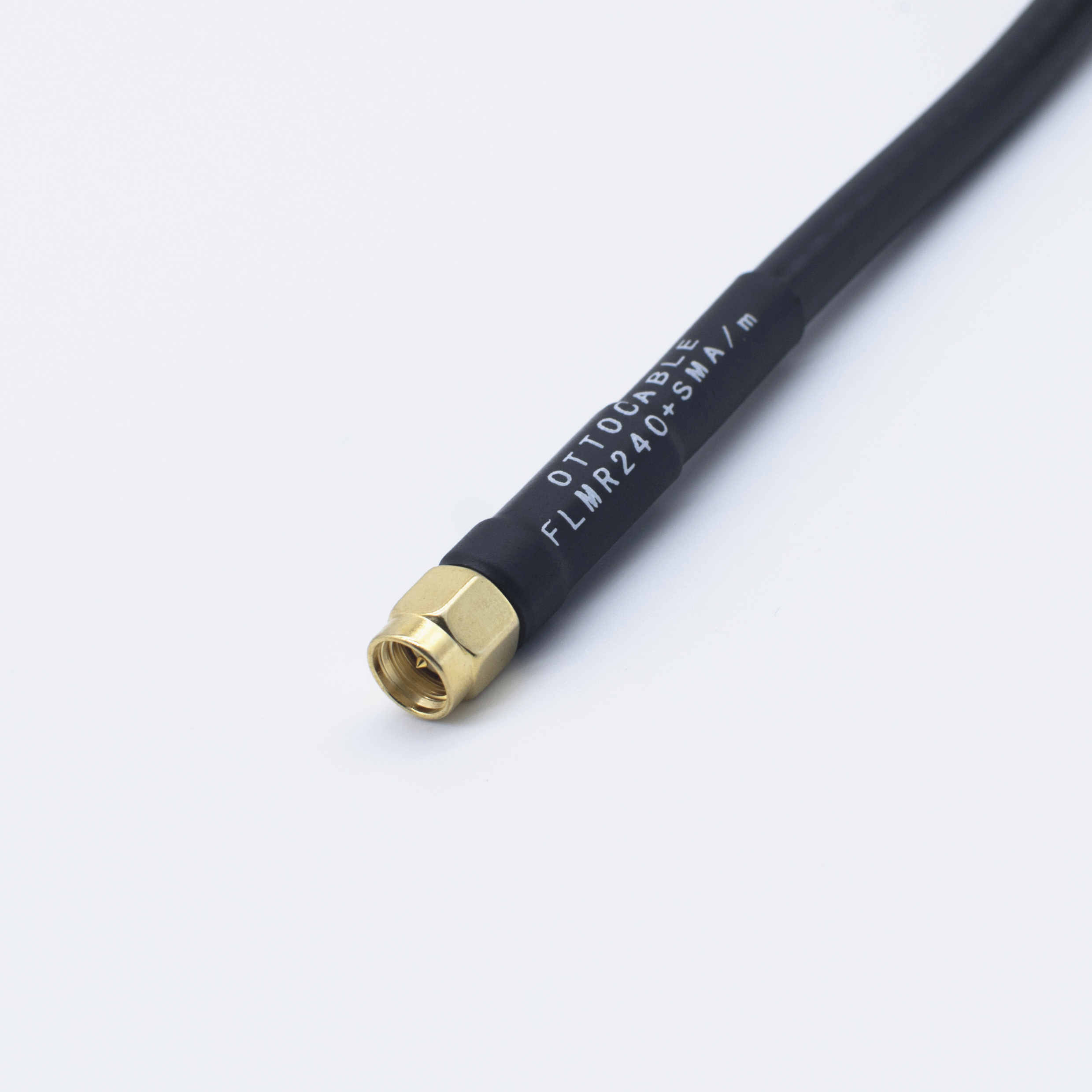
For buying workers, knowing how the OCT200 antenna feeder cable compares to other options on the market helps them make smart choices based on the needs and goals of each project.
Compared to regular RG58 cables, the OCT200 is better at handling signals and losing them. RG58 cables tend to lose more signal over distance, which makes them less useful for longer antenna feeder runs or situations where signal protection is very important. Because of its advanced dielectric and shielding design, the OCT200 improves data clarity while still working with normal connection systems.
Compared to RG213 cables, the OCT200 has similar speed but is easier to handle. RG213 cables are bigger and more rigid, but the OCT200 gives you the same electrical performance with more mounting options. This benefit is especially useful in situations where limited room or troublesome routing make it hard to place cables.
For the OCT200, the jacket comes in PVC, PE with UV protection, and Low Smoke Zero Halogen versions, so it can be used in a range of circumstances. The UV-resistant choices work best for outdoor setups, where normal cable jackets could break down over time from the sun's rays. This edge in durability cuts down on long-term upkeep needs and makes sure that the cable works the same way throughout its service life.
When it comes to installation, the OCT200 is better because it can be attached in the field with standard hand tools. This feature cuts down on installation time and gets rid of the need for special tools, which makes it a great choice for projects with tight deployment plans or installation sites that are far away.
The OCT200 strikes the best mix between efficiency and value for money. The cable's better performance and longevity make it a great long-term investment, even though it costs a little more at first because it is made with higher-quality materials and building methods. Lowering signal loss improves system performance, and making the cable more durable means it won't need to be replaced as often over its useful life.
It is important to follow the right fitting steps so that the OCT200 antenna feeder cable works at its best. Following set processes makes sure that the data quality is at its best and that problems that could affect system performance are kept to a minimum.
A good OCT200 installation starts with careful planning that takes into account things like where to route the cables, what connectors are needed, and the surroundings. When making a route, you should try to avoid quick turns that could change the impedance features or put stress on the machinery. The cable's bend radius requirements must be followed to keep the signal strong and avoid damaging the internal parts.
Changes in temperature, exposure to wetness, and possible sources of electromagnetic interference are all environmental factors that need to be thought about. The different jacket choices for the OCT200 can handle different environmental problems, but picking the right one requires a thorough analysis of the fitting conditions.
The OCT200 antenna feeder cable can connect to standard types of connectors, which makes it easier to use with current systems and tools. How to choose the right connector relies on the frequency needed, how much power is needed, and the surroundings. The design of the cable allows for easy installation in the field using common tools, but careful planning is needed for the best results.
To make sure that the impedance matches up right at connecting contacts, strip lengths must be carefully managed. Preparation that isn't done consistently can lead to impedance discontinuities that lower the quality of the signal or cause echoes that aren't needed. Following the manufacturer's instructions for strip lengths and how to put together connectors will guarantee effective performance.
Full testing makes sure that the installation was done right and that the OCT200 system works as expected. VSWR readings show how well the impedance matching is doing, and insertion loss testing makes sure that the signal reduction stays within acceptable limits.
Network tester testing gives the most complete picture of how well a cable works because it gives specific frequency response data that can find problems before they affect how the system works. Setting up regular testing times helps keep the system running well and find problems before they affect the level of conversation.
To strategically buy OCT200 antenna feeder cables, you need to know what the suppliers can do, how you can customize them, and how much the whole thing will cost, not just the initial purchase price.
To choose the best OCT200 provider, you need to look at a number of factors that affect both the success of the purchase right away and the value of the relationship in the long term. The project's needs must be met by the manufacturer's output capacity, quality control methods, and ability to make changes.
Certification compliance is an important evaluation factor, especially for projects that need to follow certain standards. standards like ISO9001 and ISO14000 show that quality control systems are in place, and product-specific standards like CE, RoHS, and REACH compliance make sure that rules are followed.
The OCT200's design allows for a number of tuning choices that can make it work better in certain situations. Customizing the length gets rid of the need for field splitting, which could add places where the signal gets weak. Color coding helps with paperwork for installations and upkeep.
Customization of fire resistance meets certain safety or building code requirements that normal setups might not. With these customization options, buying teams can choose cables that exactly meet the needs of the project instead of settling for less-than-ideal options.
Strategies for buying in bulk can save you a lot of money and keep your supply line reliable. Usually, minimum order numbers are based on how efficiently the product can be made, but strategic planning can make sure that buying volumes are in line with these needs. When you buy in bulk, you can also make changes that might not be possible when you buy smaller amounts.
Reliability in the supply chain is especially important for projects with tight deadlines or ongoing production needs. Checking how well suppliers deliver, how well they handle their inventory, and how quickly they respond to communications can help make sure that procurement decisions help the project succeed instead of causing problems.
In conclusion, the advanced engineering and high-quality materials used in the OCT200 antenna feeder cable makes the signal quality better in a way that can be measured. It is perfect for difficult communication tasks because it meets MIL-C-17 standards, has a dual-layer protection system, and can be customized in a number of ways. While still being compatible with current connector systems and fitting methods, the cable's low-cost design gives it better performance than normal options. The OCT200 is the best antenna feeder option for procurement workers who want a mix of performance, durability, and value. It meets both short-term project needs and long-term operational needs.
A: For broadband uses, the OCT200 is made, and it works with bands that are popular in wireless systems. It can be used for applications from very low frequencies (VHF) to microwave frequencies because it has low loss and stable impedance. However, for important high-frequency applications, certain performance factors should be checked.
A: When it comes to signal loss, OCT200 is better than standard RG58 and other similar old lines. The improved dielectric materials and cable design make the loss much lower, which is especially important for longer cable runs or uses that need to keep the signal as strong as possible.
A: There are clothing choices for the OCT200 that are resistant to UV light and are made for use outside. The materials used to make the cable and its shielding system make it very resistant to changes in temperature, moisture, and other weather problems that are common in outdoor communication setups.
A: When it comes to OCT200 setups, network analyzers give full performance review tools. For simple performance proof, VSWR meters can be used for testing in the field. Time domain reflectometers can find problems with the placement or changes in resistance that could affect the quality of the signal.
A: Standard minimum order amounts are based on how efficiently the product can be made, but specific needs can often be met based on the application and the need for customizing. Buying in bulk can help bigger projects by lowering costs and giving you more ways to customize the product.
With our full line of OCT200 antenna feeder cable options, OTTO CABLE is ready to help you with your communication infrastructure projects. As a well-known company that has been making RF cables for decades, we have the technical know-how and production skills to make sure that projects go well. Our ISO9001 and ISO14000 certified production methods guarantee consistent quality, and we can make the OCT200 specifications fit your exact needs thanks to our wide range of customization options. We offer dependable OCT200 antenna feeder cable supplier services that fit your project plans. Our lead times are as short as 10 to 15 days, and we test everything according to strict guidelines. Email us to talk about your unique needs and find out how our OCT200 options can improve the performance of your communication system.
1. Military Specification MIL-C-17: Coaxial Cable Requirements and Testing Standards for Communication Applications, Department of Defense Standards Publication, 2019.
2. Johnson, Robert H. "Advanced Coaxial Cable Design for Low-Loss Signal Transmission," IEEE Transactions on Microwave Theory and Techniques, Vol. 67, No. 8, 2020, pp. 3245-3258.
3. Smith, Maria L. and Chen, David K. "Comparative Analysis of Antenna Feeder Cable Performance in Wireless Communication Systems," Journal of Communication Engineering, Vol. 45, No. 3, 2021, pp. 112-128.
4. International Organization for Standardization. "Quality Management Systems for RF Cable Manufacturing," ISO 9001:2015 Guidelines for Communication Equipment, Geneva, 2020.
5. Anderson, Paul R. "Signal Integrity Considerations in Modern Antenna Feeder Systems," Proceedings of the International Conference on RF and Microwave Engineering, Boston, 2021, pp. 289-305.
6. Williams, Sarah J. "Environmental Durability Testing of Coaxial Cables for Outdoor Communication Applications," Telecommunications Industry Standards Review, Vol. 28, No. 4, 2020, pp. 78-92.