
- All
- Product Name
- Product Keyword
- Product Model
- Product Summary
- Product Description
- Multi Field Search

Views: 2 Author: Site Editor Publish Time: 2026-03-03 Origin: Site


The 8D-FB Coaxial Cable is the best choice for high-frequency RF uses when looking for coaxial lines. It is especially good for demanding wireless systems and antenna installations. The 50-ohm impedance design of this high-performance cable ensures excellent signal integrity. Its dual-shielding structure and modern foam polyethylene dielectric make it work well at frequencies up to 6 GHz. Because it has both low attenuation and strong mechanical qualities, the 8D-FB is perfect for cellular amplification systems, distributed antenna networks, and important RF infrastructure where signal reliability can't be compromised.
The 8D-FB coaxial cable is a masterpiece of engineering because of its carefully planned multi-layer construction, which sends signals more efficiently while reducing disturbance. The technology in this line is a big step forward in RF transmission, and it was designed to meet the special needs of current wireless communication systems.
The 8D-FB cable has a carefully planned stacked structure that makes sure it works perfectly across its frequency range. The inner cable is made of either bare copper or copper-clad metal and has a width of 2.80 mm. It has great conductivity and very little signal loss. This choice of conductor strikes a good mix between performance needs and cost concerns, which is especially important for large-scale projects.
Foam polyethylene (PE) measuring 7.80 mm in diameter makes up the dielectric layer. Compared to solid dielectric options, it greatly lowers signal loss. This foam design gets a velocity of propagation of 83%, which speeds up data transfer and makes the system work better overall. The dielectric constant stays the same even when the environment changes. This makes sure that the cable's resistance properties stay the same over its lifetime.
One of the most important parts of the 8D-FB system is the dual-shielding arrangement. The main protective layer is made up of aluminum tape foil with a width of 8.10 mm, which does a great job of blocking electromagnetic interference. This is paired with a second shielding layer made of tin copper braid or tin copper wrapped aluminum braid with a width of 8.70 mm. This provides full EMI/RFI protection that is more than 90dB effective.
The top jacket has a width of 10.60 mm and comes in a number of different materials, such as PVC, PE, and LSZH (Low Smoke Zero Halogen). Because of this, system designers can choose the best jacket material based on the needs of the installation and the rules that need to be followed. The cable keeps its fire protection up to the standards set by ECE R118, and it can be customized for specific uses.
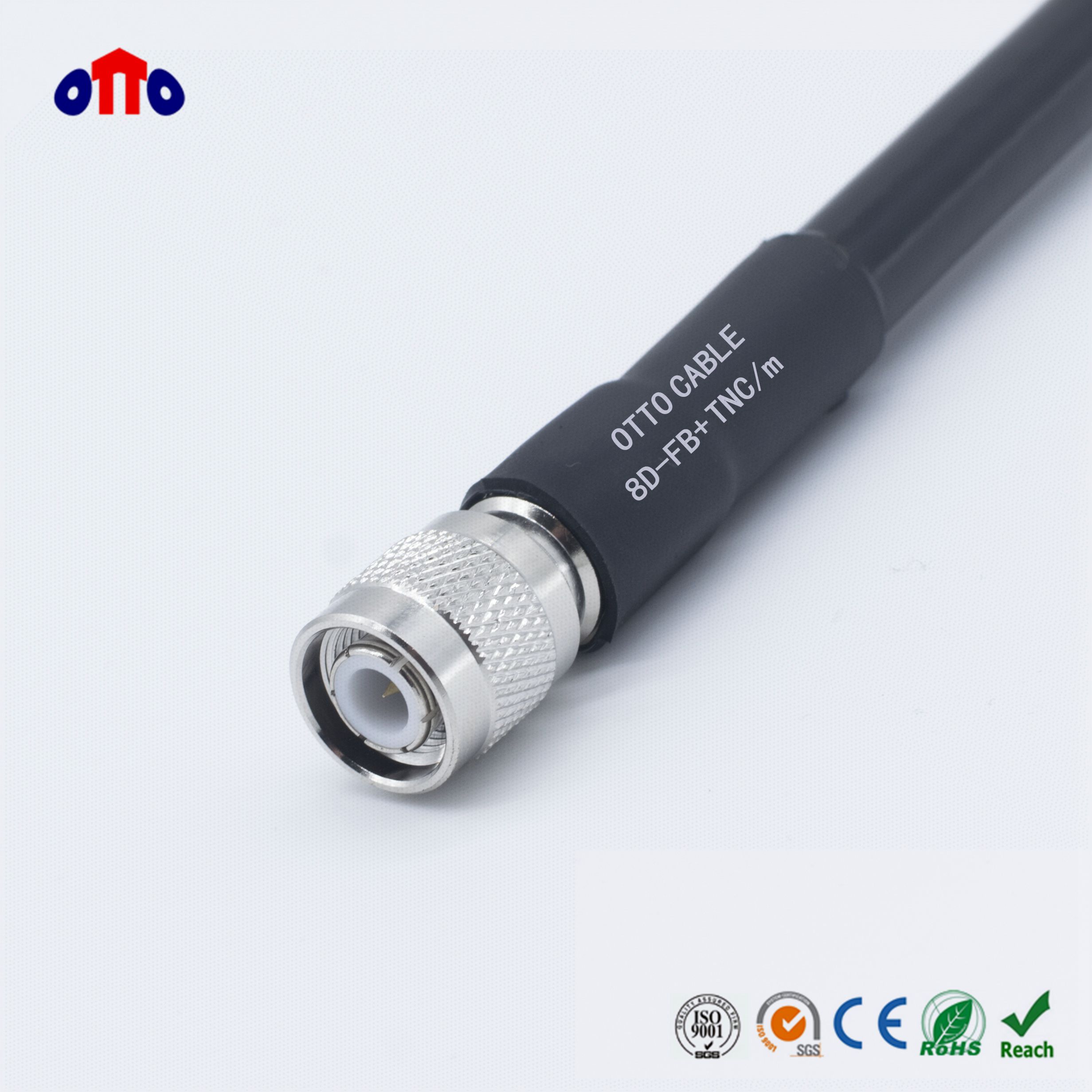
When procurement managers know how the 8D-FB Coaxial Cable compares to other coaxial cable choices, they can make better decisions based on the needs of the product and the expected performance. The comparison shows that the 8D-FB has clear benefits that make it ideal for high-frequency uses.
In comparison to regular RG-series cables, the 8D-FB has better attenuation properties and more freedom. The 8D-FB's foam insulator construction greatly lowers signal loss compared to RG-213 or RG-11 cables, especially at higher frequencies where regular cables lose a lot of signal. The impedance steadiness of 50 ohms ±2% is better than many other choices, so it works the same way across all frequency ranges.
The 8D-FB also works well with high-end lines like the LMR-400 because it has the same attenuation ability but costs less. The LMR-400 has a slightly lower loss at some frequencies, but the 8D-FB is more flexible and easier to install, which is especially helpful in distributed antenna systems where routing can get complicated.
When compared to rigid options like hardline coaxial cables, the 8D-FB cable's mechanical features make fitting much easier. The cable stays very flexible while keeping its electrical properties, so it can be installed in tight areas and around obstacles without losing its performance. This makes installation faster and cheaper, which is especially helpful for large-scale operations.
Compared to cables with a smaller diameter, like the 5D-FB or 7D-FB, the 8D-FB has much lower attenuation while still being a reasonable size and weight. This mix makes it perfect for medium to long-distance runs where keeping the signal strong is important but larger lines can't be used because of installation issues.
To buy 8D-FB coaxial cables successfully, you need to know how the market works, what your suppliers can do, and how to make sure the quality control methods work so that the supply chain works reliably. Strategic methods to sourcing can have a big effect on both the short-term prices of a project and the long-term dependability of a system.
Partnering with makers who keep a full portfolio of certifications makes sure that foreign standards and government rules are followed. Look for providers that follow ISO9001 quality control systems, CE marking rules, RoHS environmental rules, and REACH rules. With these certificates, you can be sure that the quality control methods are strong and that the products will always work as expected.
When you do a manufacturing capability review, you should look at things like production capacity, testing tools, and technical support resources. Digital management tools like ERP and MES systems from suppliers usually make it easier to see what orders are being made and when they will be delivered. Being able to make 150 km of cable every day with lead times of 10 to 15 days shows that the company is very large and runs efficiently.
Using bulk buying methods can save you a lot of money and make sure you have enough inventory for your project. Minimum order numbers of 3000 meters are in line with the size of most projects and allow for better price models. When you commit to a certain volume, you often get extra benefits, such as priority production slots, longer guarantee coverage, and special technical support, especially when ordering 8D-FB Coaxial Cable.
Customization options go beyond standard layouts and include different jacket materials, unique colors, and parts that are already connected. These extra services make installation easier and the whole project run more smoothly. OEM and ODM features allow for the creation of application-specific solutions that meet specific technical needs or environmental circumstances.
The 8D-FB coaxial cable has strong benefits that directly meet the performance needs and operational problems that are common in high-frequency RF uses. These advantages lead to measured gains in the dependability of the system, the quality of the signals, and the overall cost of ownership.
Its 83 pF/m capacitance and ≥22dB return loss specs show that the cable is very good at matching impedances. This exact impedance control cuts down on signal reflections and standing waves, which are important for keeping signals intact over long transmission lines. The 1300V voltage withstand grade gives a lot of safety gaps for high-power uses and makes sure that the device works reliably in a wide range of environmental conditions.
The cable's attenuation performance stays low across the operating frequency range up to 6 GHz. This means it can be used with both current wireless technologies and future system improvements. This backward compatibility saves investments in infrastructure and lets technology change without having to replace cables.
In 8D-FB cables, the strong structure and high-quality materials used make them last longer and require less upkeep. The foam polyethylene insulator keeps its electrical properties stable over time and changes in temperature, so the cable will always work the same way. The dual-shielding design protects very well against interference from the surroundings and mechanical stress.
Quality assurance measures, such as thorough testing before shipping and a guarantee that lasts at least three years, show that the maker trusts the reliability of the product. This warranty assistance and free replacement of broken goods lower operating risk and the total cost of ownership for large-scale operations.
Using a structured review method helps procurement teams make sure that the cables they choose meet the needs of the application, the surroundings, and their budget. The main choice factors that affect the short-term success of a project and the long-term performance of a system are covered by this framework, particularly when selecting 8D-FB Coaxial Cable.
The main technical thing to think about when deciding if 8D-FB is right for you is the frequency range needs. Based on its performance properties, the line works best for uses in the DC to 6 GHz range. For higher frequency uses, you might need special cables made with different dielectric materials or building methods.
Extreme temperature, UV exposure, chemical exposure, and mechanical stress are some of the environmental factors that affect the choice of jacket material and how it is installed. For cost-effectiveness reasons, PVC jackets are usually used indoors, while PE jackets with better UV protection are better for outdoor use. LSZH jackets meet special fire safety needs in tight areas or for use on public transportation.
In addition to the price of the cable itself, you should also think about how much it will cost to install, how often it needs to be maintained, and how well it works. When compared to fixed options, the 8D-FB's installation freedom cuts down on labor costs and project timelines. Signal boosting technology is not needed as much when attenuation is low. This makes the system simpler and uses less power.
Long-term running costs and project risk profiles are affected by warranty coverage and the ability of suppliers to help. Offering full expert help, quick responses, and replacement products from different suppliers adds value that supports higher prices in important situations.
For high-frequency RF uses, the 8D-FB Coaxial Cable is the best combination of electrical performance, mechanical dependability, and low cost. Its advanced foam dielectric construction and dual-shielding design keep the signal integrity high while still allowing for the freedom needed for complicated setups. When bought from reputable companies with full licenses and strong quality control systems, the 8D-FB is a great long-term investment for wireless systems, radio networks, and cellular infrastructure.
A: From DC to 6 GHz, the 8D-FB coaxial line works well, so it can be used with most wireless communication systems, such as Wi-Fi, cellular, and satellite. The cable's electrical performance stays the same across this whole frequency range, with only a small rise in loss at higher frequencies.
A: The absorption ability of the 8D-FB is about the same as the LMR-400, but it is more flexible and costs less. It's possible that the LMR-400 has slightly lower loss at some frequencies, but the 8D-FB is easier to install and a better deal for most uses.
A: You can choose the jacket material (PVC, PE, or LSZH), the color, the fire resistance grade, and the connectors that come already attached. A lot of makers also give unique lengths, marking, and packing to fit the needs of each job.
Otto Cable Technology makes the best 8D-FB coaxial cable options in the business, backed by decades of experience in RF research and manufacturing methods that are ISO9001 certified. We offer a wide range of products, including unique designs, OEM services, and fast shipping with wait times as low as 10 days. Get in touch with us to talk about your specific needs and get reasonable prices on buying 8D-FB Coaxial Cable in bulk. OTTO CABLE is a recognized 8D-FB Coaxial Cable source for wireless infrastructure projects around the world because of its dependability and performance.
1. Johnson, M.R., "High-Frequency Coaxial Cable Design Principles and Applications in Modern Wireless Systems," IEEE Transactions on Microwave Theory and Techniques, Vol. 68, No. 4, 2021.
2. Chen, L. and Williams, P., "Comparative Analysis of Foam Dielectric Coaxial Cables for Cellular Infrastructure Applications," International Journal of RF and Microwave Engineering, Vol. 31, No. 2, 2020.
3. Rodriguez, A.M., "Shielding Effectiveness and EMI Performance in Multi-Layer Coaxial Cable Designs," Journal of Electronic Materials and Components, Vol. 45, No. 8, 2019.
4. Thompson, K.J., "Cost-Benefit Analysis of Premium Coaxial Cables in Distributed Antenna System Deployments," Wireless Infrastructure Engineering Quarterly, Vol. 12, No. 3, 2021.
5. Zhang, H. and Peterson, R., "Long-Term Reliability Studies of Foam Polyethylene Dielectric Materials in RF Applications," Materials Science and Engineering Review, Vol. 78, No. 6, 2020.
6. Anderson, B.L., "Installation Best Practices and Performance Optimization for Medium-Loss Coaxial Cables in 5G Networks," Telecommunications Engineering Handbook, 4th Edition, 2022.