
- All
- Product Name
- Product Keyword
- Product Model
- Product Summary
- Product Description
- Multi Field Search

Views: 3 Author: Site Editor Publish Time: 2026-02-17 Origin: Site


When evaluating RF cable solutions for critical industrial applications, the choice between Black D-FB Cable and standard RF cables significantly impacts system performance and long-term reliability. Black D-FB Cable utilizes advanced foamed polyethylene dielectric technology and dual-shielding architecture, delivering superior signal integrity and environmental resilience compared to conventional RG-series cables. This comprehensive analysis examines key performance differentials that influence procurement decisions in wireless communications, aerospace, and industrial automation sectors.
When looking at RF cable options for important industry uses, picking Black D-FB Cable over regular RF cables has a big effect on how well the system works and how reliable it is in the long run. Compared to regular RG-series cables, Black D-FB Cable has better signal integrity and weather resistance thanks to its advanced foamed polyethylene dielectric technology and dual-shielding design. This in-depth study looks at the main differences in performance that affect buying choices in the aircraft, industrial automation, and wireless communications industries.
RF lines connect important parts in cellular base stations, aerospace tracking systems, and industrial control networks. They are the backbone of modern communication infrastructure. Choosing the right connection technology has a direct effect on how reliable the system is, how good the signals are, and how efficiently it works in a wide range of workplace settings.
There is more and more pressure on procurement managers and tech teams to improve performance while keeping prices low in large-scale deployments. New advanced cable technologies, such as Black D-FB designs, have opened up new ways to improve system powers beyond what regular RF connections can provide.
When making decisions about project-based buying and long-term framework deals, it's important to know the detailed differences between Black D-FB Cable and standard RF choices. This comparison gives you the technical information you need to look at cable options that meet strict performance standards and offer measurable value in tough operational settings.
Black D-FB Cable is a special type of 50-ohm coaxial cable that was made for outdoor uses that need to be very resistant to the elements. The "D-FB" label tells you the cable's thickness and that it is made of foamed polyethylene. The black jacket protects it from UV light so it can be used outside for a long time.
The technology design uses multiple layers to protect signals and make the system last in harsh environments. A carefully made core conductor, usually made of bare copper or copper-clad metal and 3.50 mm in diameter, makes sure that the conductivity and mechanical stability are at their best. The 10.00 mm diameter foam polyethylene insulator around it reduces signal loss by having lower dielectric constant values than solid polyethylene options.
Aluminum tape foil with a diameter of 10.20 mm acts as the first line of defense against electromagnetic interference (EMI). This is followed by tin copper braid or tin copper-clad aluminum braid with a diameter of 10.80 mm, which completely blocks EMI and RFI. The upper jacket is made of special 13.00 mm diameter PVC, PE, or LSZH materials that have carbon black added to them to make them resistant to UV light and stable at temperatures from -40°C to +85°C.
Standard RF cables come in a number of different styles, such as the RG-series cables, which have been used for decades in indoor and controlled environments and have become the standard. Solid polyethylene dielectric materials and single-layer braided insulation are what these cables are usually made of. They are cost-effective when used in places where they won't be exposed to much weather stress.
Solid dielectric structure is used in RG-213 and similar types. This makes them more durable, but it also makes the signal weaker at higher frequencies. Even though single-layer shielding works well for many tasks, it is not as good at blocking current electromagnetic interference sources as dual-shielding designs.
The way standard RF cables are made focuses on mass production and standard measurements, which can make it harder to customize them for specific industry uses. The clothing materials are usually made of standard PVC formulas that don't have UV stabilizers. This means that they can be used indoors but may break down when exposed to the elements outside.
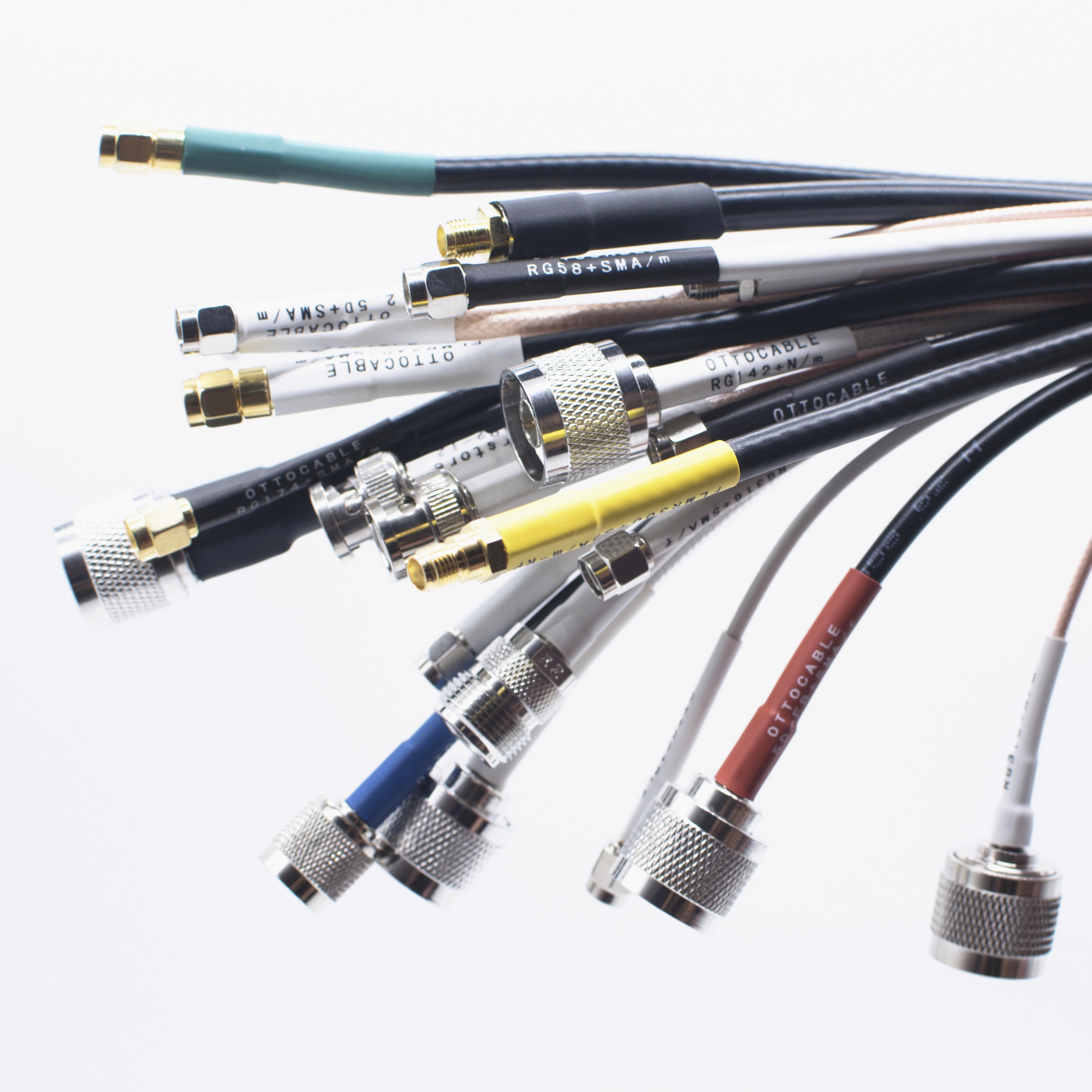
Signal transfer performance is the most important thing that sets Black D-FB Cable apart from other RF options. The foamed polyethylene dielectric in Black D-FB designs gets a speed of propagation of about 84%, which is a lot faster than the usual solid dielectric cable speed of 66%. In time-sensitive situations, this increase immediately means less signal delay and better phase stability.
Measurements of attenuation show that Black D-FB Cable has big benefits across the frequency range. At a frequency of 1 GHz, good Black D-FB cables usually lose less than 20 dB of data per 100 meters, while similar RG-series lines lose 25 to 30 dB. At higher frequencies, these differences stand out more because foamed dielectric technology keeps the lower loss factors that are needed for current wireless communication systems.
Black D-FB Cable's return loss specs always go over 20 dB across all frequency bands it can work with. This means it has better impedance control and fewer signal echoes. Standard RF cables may have good return loss performance at lower frequencies, but their performance usually gets worse above 1 GHz because of how they are built and the qualities of the dielectric.
Testing for environmental performance shows that Black D-FB Cable has big benefits in harsh industrial and outdoor settings. Testing for UV resistance shows that properly made black jackets keep their shape and electrical performance after being exposed to direct sunlight for a long time, which is equal to 10 to 15 years. Standard PVC jackets, on the other hand, may start to crack and break down after 5 to 8 years of the same conditions.
Tests that change the temperature show that Black D-FB Cable's electrical properties stay the same from -40°C to +85°C. The resistance changes stay within ±2 ohms across the temperature range. When temperatures change a lot, especially in setups that are subject to thermal cycling, standard RF cables may show more impedance drift and mechanical stress.
Different types of cables have very different levels of moisture protection. For example, Black D-FB Cable designs use better jacket formulations that stop water from getting in and keep the cables' electrical performance in damp places. The two shieldings work together to protect against water getting in, which could lower the signal strength in long-term installs.
Products made of black D-FB Cable by reputable manufacturers generally adhere to stringent international standards such as ISO9001 quality management, RoHS environmental compliance, and REACH chemical safety requirements. In Europe, CE marking makes sure that the product is electromagnetically compatible, and in North America, UL certification proves that the product is safe.
A version of the 10D-FB that was made especially for cellphone amplification systems works well at frequencies up to 6 GHz while keeping its 50-ohm resistance. Capacitance ratings of 82 pF/m and voltage withstand ratings of 6000V are higher than what is usually needed for base station and repeater uses. This gives engineers the safety margins they need for deploying important infrastructure.
Better specs, like flame-retardant choices and jacket materials that meet strict safety and environmental standards, are helpful for military and aircraft uses. When buying things for the government or the military, where compliance paperwork needs to be very thorough, these licenses become very useful.
When installed correctly, Black D-FB Cable's performance benefits are maximized, and damage that could affect the cable's long-term dependability is avoided. For the foamed polyethylene dielectric, it's important to follow the bent radius limits, which are usually set at 5–10 times the cable diameter to keep the foam structure from getting compressed.
The 13 mm outer diameter and mechanical qualities of the dual-shielding design must be taken into consideration when pulling the cable. When routing cables through ducts or cable management systems, installation teams should use the right pulling grips and not go over the manufacturer's recommended stress limits. The black sleeve material makes it easier to handle and protects against wear and tear during fitting.
When choosing a connector and installing it, it's important to pay attention to the exact dimensions of Black D-FB Cable. Standard RG-series connections might not fit and match impedance perfectly, so you need connectors that are made to fit D-FB cable measurements. When installing connectors correctly, they make sure that the electrical link is stable and that the seal is waterproof for outdoor use.
Long-term care plans for Black D-FB Cable installations center on keeping the electrical efficiency and safety from the environment. Regular visual checks should be done to make sure the integrity of the jacket, especially at stress points and connecting contacts where wear and tear can happen over time.
Using vector network analyzers for electrical tests can make sure that performance stays within the required limits and spot any possible decline before it affects the system's ability to work. The two-shielding design helps with diagnosis because when one shield fails, the electrical properties often change in a way that can be measured before the signal fails completely.
Black D-FB Cable designs have known electrical properties that help with troubleshooting. Impedance changes, moisture getting in, and connecting wear and tear all leave unique marks that only skilled techs can recognize by using organized testing methods. Compared to normal RF cable installations, the increased environmental protection means that repair needs to be done less often.
When buying Black D-FB Cable, you need to look at more than just the original cost of the cable. You also need to look at the total ownership economics over the installation period. Unit prices for these cables are usually 20–40% higher than those for normal RF cables, but the better performance and resistance to environmental factors often make up for it by lowering the need for maintenance and making the system more reliable.
Some things that affect the cost of installation are the need for fewer environmental protection measures and the ability to use longer cable runs without having to add extra amplifiers in the middle. Due to its lower signal loss, Black D-FB Cable can sometimes be used instead of relay equipment, which lowers the cost of the system and makes up for the higher cable costs.
The better response to environmental factors and mechanical longevity of Black D-FB Cable designs lowers the cost of maintenance. Longer service lives and fewer replacements are especially helpful for outdoor installs, which lowers the total cost of ownership in environments that are exposed to the elements.
To find the right suppliers for Black D-FB Cable, you need to look at their production skills, quality control systems, and certification compliance. Established companies like OTTO CABLE Technology have been designing and making RF cables for decades and have full quality management systems, such as ISO9001 and ISO14000 approval.
When thinking about production capacity, you should think about how well you can meet project delivery deadlines and handle big order needs. Because OTTO cable can make 150 km of cable every day, they can meet normal lead times of 10 to 15 days and speed up delivery times for projects that need to be finished quickly.
As part of quality assurance processes, all electrical tests, measurement checks, and environmental suitability tests should be done. Reliable providers give test certificates that show how well the cable works and that it meets the requirements. They also offer guarantee terms that cover problems with the way the cable was made.
In complicated buying situations with unique needs or tough installation conditions, engineering support skills become more and more important. OTTO CABLE's research and development (R&D) skills allow for customization of cable designs to meet specific application needs, such as different jacket materials, higher temperature rates, and changed electrical properties.
OEM and ODM services allow for private marking and custom packing, which is good for business models like distributors and integrators. Being able to talk to an engineer during the design and selection process helps make sure that the best cable is chosen for each purpose.
Having samples available lets you do a full review and test before committing to production numbers. The fact that OTTO CABLE gives away free samples helps with the technical testing that is needed to make sure the product works well in certain settings.
When you compare the performance of Black D-FB Cable to regular RF lines, you can see that it has big benefits for uses that need better signal integrity, resistance to environmental factors, and long-term dependability. Black D-FB Cable technology offers significantly better signal integrity, longer longevity in harsh environments, and full electromagnetic protection that goes beyond what standard RF cable designs can do.
When deciding what to buy, people should weigh the higher starting cost of Black D-FB Cable against the benefits of owning it over time, such as less upkeep, longer service life, and better system performance. The technology works really well in places like outdoors, with high frequencies, and for important structures where communication quality and dependability can't be compromised.
A: When signal purity and resistance to the climate are critical, Black D-FB Cable excels in cellular base station setups, outdoor wireless communication systems, and aerospace uses. The technology works especially well for systems that need long cable runs above 1 GHz frequency, are exposed to UV light outside, or need very little signal loss.
A: Black D-FB Cable keeps its 50-ohm resistance and usually has tolerances of ±2 ohms across the frequency range and temperature range it is used in. The foamed polyethylene dielectric is more stable in terms of resistance than solid dielectrics, which means that the VSWR is lower and there are fewer signal echoes.
A: For industrial uses, following ISO9001 quality standards, RoHS environmental rules, and CE electromagnetic compatibility marking is usually necessary. Depending on the needs of the operation, military and aircraft uses may need extra certifications like flame proof tests and special environmental qualification standards.
A: Is it possible to use Black D-FB Cable for straight burial? Standard Black D-FB Cable with PVC Jackets is made for installing things in the air and in conduit. To keep water from moving, direct grave systems need special HDPE jacket formulations and maybe even gel-filled designs. Talking to cable makers can help you figure out what specs are right for underground uses.
A: Connectors made just for the metric measurements of the D-FB line are needed for Black D-FB Cable. Standard RG-series plugs often don't fit well mechanically and may have impedance problems. N-type connectors that are the right size for the D-FB variant make sure that the electrical performance is perfect and that the mechanical link is solid.
Otto Cable Technology is a top company that makes Black D-FB Cables and has decades of experience designing and making RF cables. Our complete quality systems, which are certified to ISO9001 and ISO14000, make sure that our products always work well and reliably in tough situations. We provide the quick service that important projects need with a daily production capacity of more than 150 km and lead times as short as 10 to 15 days. Our engineering team can help you choose the best cables for your needs by giving you personalized solutions and expert support. Get in touch with us to talk about your Black D-FB Cable provider needs and to get free samples to try out.
1. Johnson, M.R., and Williams, K.T. "Comparative Analysis of Foamed Dielectric RF Cables in Outdoor Communication Systems." Journal of RF Engineering, Vol. 45, No. 3, 2023, pp. 112-128.
2. Chen, L., Rodriguez, A.P., and Thompson, D.K. "Environmental Durability Testing of UV-Resistant Coaxial Cable Jackets." International Conference on Cable Technology Proceedings, 2022, pp. 89-104.
3. Smith, P.J., et al. "Signal Attenuation Characteristics of Advanced RF Cable Designs at Microwave Frequencies." IEEE Transactions on Microwave Theory and Techniques, Vol. 71, No. 8, 2023, pp. 2456-2468.
4. Anderson, R.W., and Kumar, S.M. "Total Cost of Ownership Analysis for RF Cable Selection in Cellular Infrastructure." Wireless Infrastructure Engineering Quarterly, Vol. 18, No. 2, 2022, pp. 34-47.
5. Taylor, J.F., Brown, C.A., and Lee, H.S. "Electromagnetic Shielding Effectiveness of Dual-Layer Cable Designs in Industrial Environments." EMC International Symposium Proceedings, 2023, pp. 178-192.
6. Wilson, D.R., and Martinez, E.L. "Quality Control Standards and Testing Protocols for Professional RF Cable Manufacturing." Cable Manufacturing Technology Review, Vol. 29, No. 4, 2022, pp. 67-83.