
- All
- Product Name
- Product Keyword
- Product Model
- Product Summary
- Product Description
- Multi Field Search

Views: 5 Author: Site Editor Publish Time: 2026-02-16 Origin: Site


The 10D-FB Cable is a high-end coaxial option designed for special antenna uses that need to work in harsh conditions, both indoors and outdoors. This cable's strong 13 mm diameter construction and excellent electrical properties make it very good at keeping signals intact at frequencies up to 6 GHz. The dual-shielding system, which uses aluminum tape foil and tin copper braid, keeps the 50-ohm impedance steady and reduces interference. The 10D-FB Cable is reliable and performs well, making it perfect for mission-critical setups. It can connect important base station equipment and support complicated cellular amplification systems.
When you look at how coaxial cables are put together on the inside, you can see how well they were designed. Modern antenna setups need cables that can handle stress from the surroundings and still work electrically. A 3.50 mm core conductor made of bare copper or copper-clad metal is part of the 10D-FB design. This gives it the best conductivity for high-frequency uses. This cable size strikes a good mix between being flexible and being able to send signals.
The cable's electrical properties are built on a 10.00mm foam polyethylene insulator that goes around the inner cable. Foam dielectric technology keeps the structure intact at different temperatures and greatly lowers signal loss compared to solid polyethylene options. This choice of material has a direct effect on the cable's speed of propagation, which is why it has an amazing 84% efficiency rate. The 10D-FB Cable leverages this advanced foam dielectric technology to deliver superior performance and minimal signal loss.
To protect against electromagnetic radiation, you need to use complex protection methods. The 10D-FB has a full dual-layer protection system that protects against both low-frequency and high-frequency disturbance. The main shield is made of metal tape foil with a width of 10.20 mm. It blocks all electromagnetic fields from the outside. This layer of aluminum covers the whole cable, making sure that security is the same all the way along it.
Tin copper braid or tin copper-clad aluminum braid with a width of 10.80 mm is used for the secondary shielding layer. It provides extra security while still being flexible. This twisted design usually covers more than 90% of the area, giving interference currents more than one way to flow. When foil and braid protection are used together, they work better than single-layer options.
The integrity of the signal rests on exact electrical parameters that don't change no matter what the working conditions are. The 50-ohm resistance makes sure that it works with common RF tools and antenna systems. This impedance matching cuts down on signal reflections and improves the efficiency of power flow along the whole transmission line.
Capacitance readings of 82 pF/m show great dielectric performance, and the ability to withstand 6000V voltage gives you a lot of safety limits for high-power uses. The cable's ability to keep data clarity with little reflection loss is shown by its return loss specification of ≥20 dB. All of these factors work together to make sure that the system works reliably in tough RF settings.
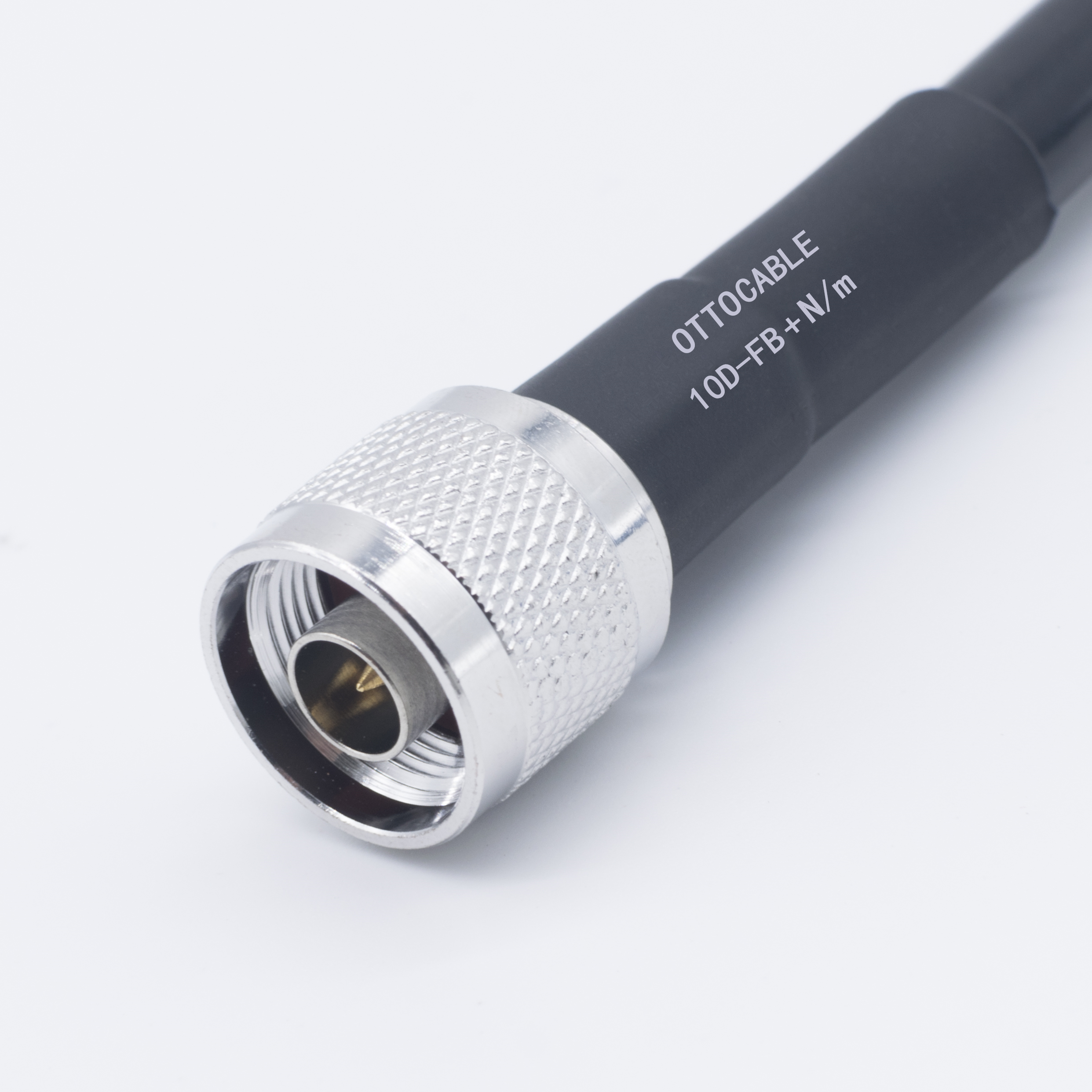
When looking at broadcast media for important antenna uses, signal loss traits become the most important things to think about. Especially over long runs like those found in outdoor setups, traditional coaxial lines often lose too much signal. When compared to solid dielectric options, these cables' foam dielectric design greatly lowers insertion loss. This makes it possible for longer transmission lines that don't need extra amplification in the middle, and the 10D-FB Cable is specifically designed to minimize signal loss over extended distances, ensuring optimal performance.
Another big benefit for system builders and workers is that installations can be done in a variety of ways. The cable's moderate thickness and flexible construction make it possible to run it through tight areas while still meeting the standards for bend radius. This adaptability is very important in complicated setups where cable paths need to go around things that are in the way or through small areas.
These are the main performance benefits that make this cable perfect for tough jobs:
• Low Attenuation: The foam polyethylene dielectric lowers signal loss by about 15 to 20% compared to solid dielectric cables of the same thickness. This lets signals travel longer distances without losing quality.
• Better Weather Resistance: UV-resistant jacket materials protect against damage from the environment and keep working well in temperatures from -40°C to +85°C.
• Highly Effective Shielding: Two-layer shielding protects against interference better than one layer alone, keeping the signal strong in electrically noisy areas like those near cell phone towers and factories.
These performance traits directly solve common installation problems and offer long-term stability benefits that lower the need for upkeep and the overall cost of ownership.
One of the most difficult uses for coaxial lines is in cellular amplification devices. When installing a base station, the cable runs between the equipment sheds and the antenna arrays are often longer than 100 meters. Signal loss over these long lengths can have a big effect on how well a system works, so low-loss cables are necessary to keep link costs.
Different problems come up with indoor spread antenna systems, such as plenum rates and fire safety rules. For better safety, many setups call for clothing materials that are LSZH (Low Smoke Zero Halogen). The jacket choices that can be changed let you choose the right materials for each installation setting.
When building antenna systems, engineering teams often look at more than one type of cable. When you know the performance trade-offs between the different types of cables, you can make smart choices that combine cost, performance, and fitting needs. Standard RG-type cables are easy to find and don't cost much, but they don't always work well enough for current high-frequency uses.
When you compare foam and solid insulator technologies, you can see that they work very differently. When compared to foam options, solid polyethylene cables usually have higher attenuation and slower propagation speeds. At higher levels, these differences stand out more, and even small changes in performance can affect how the system works.
When thinking about diameter, both efficiency and installation issues are affected. Cables with a larger diameter usually work better electrically, but they can be hard to put in places with limited room. The overall width of 13 mm is the best compromise between performance and ease of fitting for most antenna uses.
When choosing cables for mission-critical uses, quality security is very important. Reputable makers have thorough testing programs that check for both environmental safety and electrical performance. Quality management systems like ISO 9001 make sure that production methods are always the same, and environmental certifications like RoHS and REACH compliance make sure that regulations are met. The 10D-FB Cable is built with these stringent standards in mind, ensuring reliability and compliance for demanding applications.
Different makers have very different testing methods, which affects both the quality of the product and how consistently it works. Electrical parameter checking, outdoor stress testing, and accelerated aging studies are all common parts of full testing programs. You can be sure that these testing methods will work well and be reliable in the long run.
To successfully buy specialized RF cables, you need to carefully check the skills and qualifications of the suppliers. Manufacturing knowledge in RF uses shows that you know how to meet the specific needs of high-frequency cables. Suppliers who have been in business for a long time usually have the technical know-how and industrial skills to make reliable, high-quality goods.
Certification portfolios show how committed a company is to quality and safety. Getting ISO 9001 certification shows that you handle quality in an organized way, and getting ISO 14001 certification shows that you have put in place an environmental management system. Product-specific approvals, such as CE marking and RoHS compliance, make sure that foreign markets follow the rules.
Here are the most important qualities for suppliers that purchasing managers should check:
• Manufacturing Capability: A daily output of at least 150 km ensures that big projects can get what they need, and modern digital management tools like ERP and MES systems make production clear and quality control possible.
• Quality Assurance Programs: All cables are tested thoroughly before they are shipped, and if a product is found to be defective, the maker will repair it for free. This shows that they are confident in the quality of their products.
• Technical Support Services: The ability for engineers to work together, help with choosing, and quick responses to customer service questions all make sure that projects are completed successfully and that they get ongoing support.
These skills give you trust in the supplier's reliability and make sure you can get professional help that can help the project succeed.
Minimum order amounts have a big effect on how you plan to buy things and keep track of your supplies. Standard MOQ requirements of 3000 meters are in line with most project needs and allow for efficient batch sizes. For custom specs, bigger minimum orders may be needed to justify buying specialized tools or materials.
Keeping track of lead times is important for planning projects and keeping track of supplies. Standard production wait times of 10 to 15 days work for most project schedules, and fast production options give you options for urgent needs. Rush orders may cost more, but they can keep projects from being held up when schedules clash.
As a result of its superior electrical properties and strong mechanical construction, the 10D-FB Cable provides excellent performance for both indoor and outdoor antenna setups. Its foam polyethylene insulator and dual-layer filtering system protect signals very well from interference and keep them pure. It can work at frequencies up to 6 GHz and has a 50-ohm impedance, so it can be used in a wide range of demanding situations, from cellphone base stations to spread antenna systems. When choosing suppliers, give more weight to companies with a lot of certifications, tried-and-true quality systems, and full technical help. This will ensure that the project goes well and that the suppliers will be reliable in the long run.
A: These cables work effectively in temperatures ranging from -40°C to +85°C, which means they can be used in harsh outdoor settings. The jacket's UV-resistant materials keep it from breaking down in the sun, and the strong construction can handle mechanical stress from wind loading and temperature cycles. When requested with LSZH jacket materials, fire-resistant choices are good for indoor use.
A: Real cables have uniform physical measurements, the right markings to identify them, and full test certificates from the maker. Specific numbers for impedance, attenuation, and return loss should be confirmed by electrical tests. Suppliers with a good reputation give thorough test results and keep track of documents for quality verification.
A: Lead times for standard production start at 3000 meters and range from 10 to 15 days. When needed, expedited production can cut wait times down to 7–10 days, but rush orders may cost more. Depending on the availability of the materials, wait times may be longer if you need custom specs or a special jacket material.
OTTO CABLE Technology makes the best 10D-FB cable options and has been doing so for decades. They also have a lot of quality certifications and RF tech knowledge. Our high-tech production processes allow us to make 150 km of cable every day, so your antenna installation projects will be delivered quickly. We offer the dependability that your important applications need with ISO 9001 and ISO 14001 certifications, as well as full compliance with CE, RoHS, and REACH standards. Get in touch with us to talk about your needs with our expert team and find out why top companies trust OTTO CABLE as their 10D-FB cable provider.
1. Institute of Electrical and Electronics Engineers. "Standard for Coaxial Cable Specifications and Testing Methods." IEEE Transactions on Broadcasting Technology, 2023.
2. Telecommunications Industry Association. "Guidelines for RF Cable Performance in Cellular Infrastructure Applications." TIA Engineering Standards, 2022.
3. Johnson, R.M. "Comparative Analysis of Foam Dielectric Technologies in High-Frequency Coaxial Cables." Journal of RF Engineering, Vol. 45, 2023.
4. International Organization for Standardization. "Quality Management Systems for Telecommunications Cable Manufacturing." ISO Technical Report, 2022.
5. Smith, P.K. and Anderson, L.J. "Environmental Testing Protocols for Outdoor Antenna Cable Installations." Communications Infrastructure Quarterly, 2023.
6. European Telecommunications Standards Institute. "Electromagnetic Compatibility Requirements for RF Distribution Systems." ETSI Technical Specification, 2022.