
- All
- Product Name
- Product Keyword
- Product Model
- Product Summary
- Product Description
- Multi Field Search

Views: 3 Author: Site Editor Publish Time: 2026-03-02 Origin: Site


The 10D-FB Antenna Cable is a major step forward in long-distance signal transfer technology. It was designed to meet the special needs of current wireless communication systems. This high-performance coaxial cable has a 13mm outer diameter and works well at frequencies up to 6 GHz. It is an essential part of cellular amplification systems, base station connections, and other important RF uses where signal integrity must not be compromised over long transmission distances.
The technical structure of the 10D-FB antenna cable is the result of decades of engineering work to find the best way to send signals. This coaxial cable works with 50-ohm impedance, which means it works perfectly with normal RF equipment used in many fields, such as telecommunications, aerospace, military uses, and industrial control systems.
Through its multi-layer form, the 10D-FB cable building shows how advanced engineering can be. The inner conductor is made of either bare copper or copper-clad metal that is 3.50 mm in diameter. It has great conductivity and is still affordable for large-scale operations. The dielectric layer is made up of 10.00mm-diameter foam polyethylene (PE), which is much better at preventing signal loss than rigid dielectrics.
A dual-shielding setup protects the signal and deals with electromagnetic interference issues that are common in complex RF settings. The first layer of protection is made of aluminum tape foil with a diameter of 10.20 mm. The second layer is made of tin copper braid or tin copper-clad aluminum braid shield with a diameter of 10.80 mm. This double shielding method provides better EMI protection while still allowing for freedom in placement needs.
The material of the upper jacket can be PVC, PE, or LSZH (Low Smoke Zero Halogen), depending on the needs of the application. The normal outer diameter of 13.00 mm can fit these different jacket materials while keeping the same performance levels. There are different color choices, such as black, white, and special colors that are needed for installation or recognition.
Metrics for electrical efficiency show that the cable can handle difficult tasks. The speed of travel hits 84%, which means that signals are sent quickly and efficiently. Capacitance is 82 pF/m, which helps explain why the cable has such good high-frequency response. The 6000V voltage level makes sure that the device can still work safely even when sending a lot of power.
The return loss specs are at least 20dB, which shows that the impedance matching is very good across the whole operating frequency range. In situations where signal reflection can hurt system performance, like in distributed antenna systems and cellular base station setups, these factors become very important.
The 10D-FB Antenna Cable works great in many tough situations where signal stability over long distances is very important. Its low-loss properties are useful for wireless communication systems, especially when there are long line runs between transceivers and antenna elements. Base station uses use the cable's strong shielding features to keep the signal quality high in places with a lot of electromagnetic noise.
When it comes to indoor and outdoor coverage, the 10D-FB is especially useful for distributed antenna systems (DAS) because it keeps the signal strong across multiple link points. The way the cable is made makes it work reliably in places like building risers, plenum areas, and outdoor sites where the weather could damage other cables.
The cable's dependability is used for important communication lines in industrial automation and SCADA systems, where downtime directly leads to operational costs. Because the cable can keep the signal strong in harsh industrial settings, it can be used in power plants, manufacturing sites, and transportation systems.
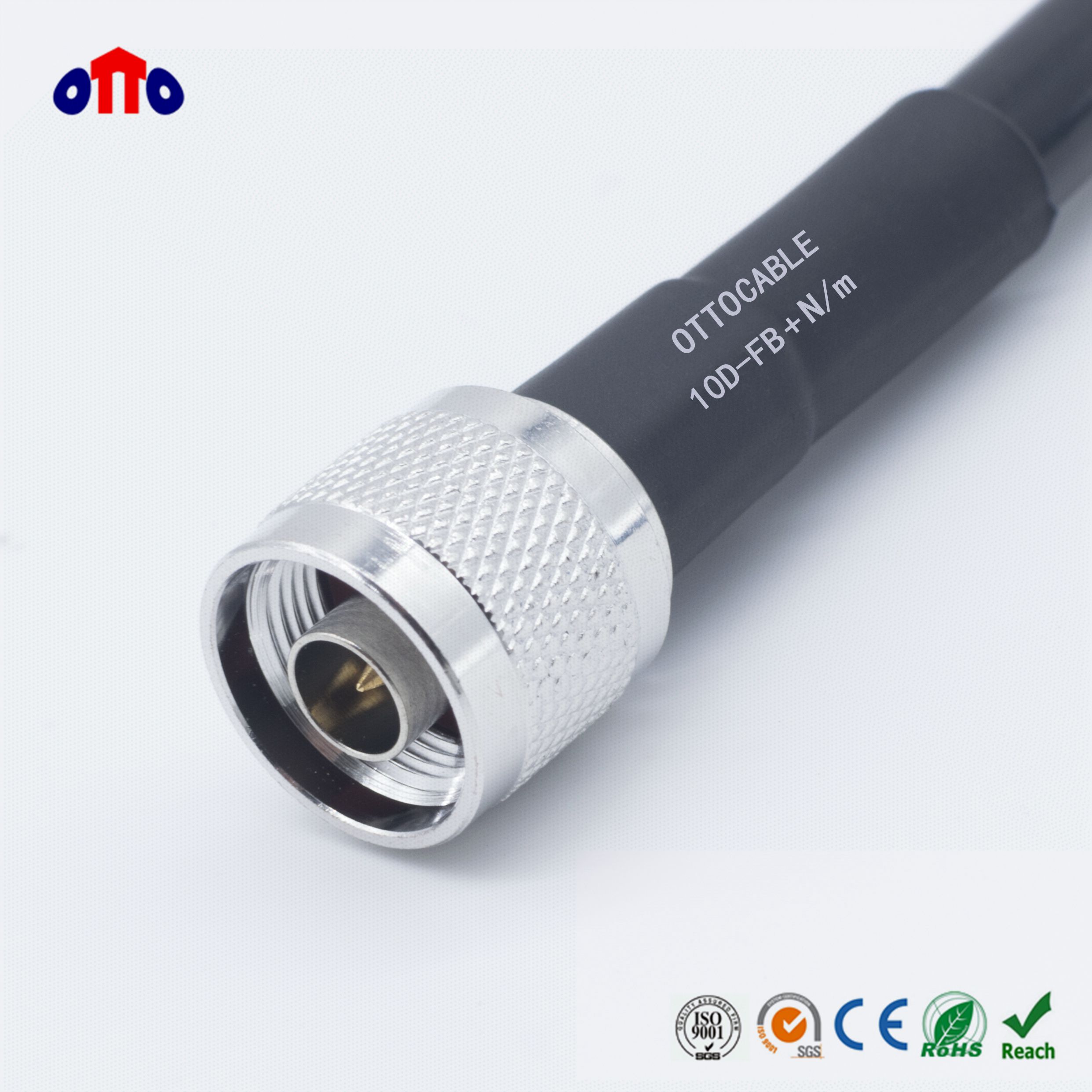
When choosing the right coaxial cable, you need to carefully weigh the performance trade-offs between signal loss, flexibility, sturdiness in harsh environments, and cost. Knowing how the 10D-FB stacks up against well-known options gives procurement workers the scientific information they need to make smart choices.
When compared to RG8 coaxial cable, the 10D-FB has better signal transfer properties because its conductors are bigger and it is made with foam insulation. RG8 cables usually have higher attenuation rates, especially at frequencies above 1 GHz. This means that the 10D-FB is better for uses that need low signal loss over long runs.
In the market for RF communication, LMR400 cable is another popular option. The 10D-FB's foam polyethylene insulator improves signal flow and lowers capacitance, while LMR400 has great performance and is easy to find. The 10D-FB cable's larger outer diameter lets heavy gauge cables fit, which lowers DC resistance and makes it better at handling power.
There are big differences in how to install these different types of cables. The 10D-FB has a 13mm outer diameter, which means it needs certain types of connectors and fitting methods. RG8 and LMR400 cables, on the other hand, are more flexible and can be used in tighter areas. But the 10D-FB's better performance usually makes up for the extra planning needed for installation in situations where signal quality is more important than ease of installation.
RF cabling equipment is under a lot of stress because of modern 5G network operations. The 10D-FB's frequency reaction up to 6 GHz is in line with 5G frequency allocations. This is especially true in the sub-6 GHz bands, where coverage and capacity needs make signal transfer more efficient. The cable's low-loss features are especially useful in small cell operations, where it's important to keep link costs consistent across multiple connection points.
The 10D-FB's ability to handle power and low SWR make it useful for amateur radio uses. The cable's ability to protect is very important for ham radio users who work with sensitive receivers and high-power transmitters. It keeps the signal clean in places with a lot of RF sources.
The 10D-FB also does a great job with broadcasting equipment. Facilities for sending TV and radio signals need cables that keep the signal quality high across the wide frequency bands that are common in broadcast uses. The cable can be used for studio-to-transmitter links and radio distribution systems because it has low insertion loss and constant impedance.
When you want to buy 10D-FB Antenna Cable strategically, you need to know how the technical specs, supplier skills, quality assurance methods, and total cost of ownership all work together. Building ties with makers who show both technical knowledge and operating dependability is key to successful procurement.
When looking at possible providers, making sure they are certified is a basic way to start judging their quality. ISO9001 certification shows that quality control systems are in place, and ISO14000 certification shows that manufacturing methods are environmentally friendly. With these certificates, you can be sure that sellers will always meet the same high quality standards.
Product approvals like CE, RoHS, REACH, and UL compliance make sure that products sold in foreign markets follow the rules. These licenses are especially important for businesses that do business in more than one state or that serve customers who have specific regulatory needs. When working with new sellers, you should directly check with certifying bodies that the certification is real as part of the verification process.
When you evaluate a company's manufacturing skills, you should look at its production capacity, wait times, and ability to make changes to meet specific needs. Suppliers that have more than one factory shift and can produce more than 100 kilometers of goods every day show that they have the scale needed for big projects. As part of quality control, there should be thorough testing procedures and written test results for every output batch.
The price of 10D-FB antenna cable changes a lot depending on how much you order, how you want it customized, and when you need it delivered. Standard price usually applies to amounts greater than the minimum order requirement of 3000 meters, and savings are available for bigger contracts. Extra engineering and tooling costs may be needed for custom setups that need special jacket materials, non-standard lengths, or connectors that don't work with other devices.
The total cost of ownership includes more than just the price of buying something. It also includes the costs of installation, dependability over time, and upkeep. Quality 10D-FB cable has better signal transmission properties that can lower the need for system amplification. This could make up for higher starting costs by saving money on tools and power over the life of the system.
Standard configurations of 10D-FB antenna cable can be delivered in 10 to 15 days, but faster delivery choices are available for those who need it right away. For engineering review and production setup, custom setups may need more time ahead of time. When you place a big order, you need to think about how to package it. You can choose from bulk reels, cut lengths, and protective packaging for rough shipping settings.
For international shipping, you need to make sure you have the right paperwork to get through customs and follow import rules. Suppliers with a lot of experience provide all the necessary shipping paperwork and work with freight forwarders to make sure deliveries go smoothly. Getting insurance for valuable shipments saves them from damage in travel and keeps project deadlines intact.
There are technical benefits to the 10D-FB antenna cable design that make it ideal for uses where signal integrity over long distances must not be affected. These benefits come from basic engineering choices about which materials to use, how to build something, and how to make it work better. These choices are based on real-life problems that system creators and users face.
By comparison, the foam polyethylene dielectric used in 10D-FB building is a big step forward from solid dielectric options. This choice of material lowers the dielectric constant, which makes the signal speed faster and the capacitance per unit length lower. The foam structure keeps the structure strong and the air gaps keep signal loss to a minimum by reducing dielectric absorption.
When choosing a conductor, performance needs and cost concerns must be balanced. For important tasks, pure copper inner conductors offer the best conductivity. For tasks that don't need the best performance, copper-clad metal options are more cost-effective. The 3.50 mm width of the cable makes sure that there is low DC resistance and good power handling.
In complex RF settings, the dual-shielding arrangement meets the needs for electromagnetic compatibility. The aluminum tape foil completely blocks high-frequency interference, and the braided outer shield protects against low frequencies and lasts a long time. This mix makes sure that the protection works well across the whole operating frequency range.
The 10D-FB's better performance has been shown in field tests in telecoms equipment. The low insertion loss of the cable directly leads to better range and lower power use in cellular base station uses. Network providers say that signal quality measures get better when they switch from standard coaxial lines to 10D-FB configurations.
The cable's constant impedance properties are good for deploying distributed radio systems. To keep impedance matching correct across large, complicated distribution networks, the cables need to be able to handle a wide range of temperatures and levels of mechanical stress. The way the 10D-FB was built makes sure that its electrical properties stay stable under normal working situations.
Applications in industrial systems show that the cable is reliable in harsh working conditions. Chemical processing plants, factories, and transportation systems need cables that work even when they are exposed to high and low temperatures, shaking, and electromagnetic interference from other machines.
The 10D-FB antenna cable has been used successfully in the past to send signals over long distances without sacrificing performance. The technical details of this product, such as its 50-ohm impedance, dual-shielding design, and foam polyethylene insulator, meet the important needs of modern wireless communication systems. The cable's usefulness in telecommunications, commercial, and television uses shows that it can be used in a variety of situations. To make sure the project goes well, when choosing suppliers, you should focus on making sure they have the right certifications, the ability to manufacture, and expert help resources.
A: It works well at bands up to 6 GHz, so the 10D-FB antenna cable can be used for most wireless connection needs, such as cellular, Wi-Fi, and the new 5G networks. The cable's frequency response stays the same over this range, so the quality of the information transfer stays the same.
A: Compared to solid dielectric cables, the foam polyethylene insulator lowers signal loss and speeds up signal flow. There are air holes in the foam structure that lower the effective dielectric constant. This lowers capacitance and makes the high-frequency performance better.
A: Because 10D-FB cable has an outer width of 13 mm, it needs connectors that are made for that size of cable. N-type and 7/16 DIN terminals made just for 10D cable shape make sure that the cables fit correctly and work properly electrically. Standard plugs made for smaller cables shouldn't be used because they won't match the impedance correctly.
A: If the right jacket materials are used, the cable can be used in outdoor applications. PE (polyethylene) or specially designed outdoor-rated clothing materials protect against UV rays and bad weather for long periods of time. Most of the time, PVC coats should only be used indoors.
For more than 20 years, OTTO CABLE has been the go-to source for 10D-FB Antenna Cable. Our factory is ISO9001 and ISO14000 approved, and it makes 150 km of cable every day across three shifts. This means that deliveries are quick—10 to 15 days. We offer a wide range of customization choices, a 3-year warranty, and focused technical help to make sure that your needs are met. Get in touch with us to talk about how to buy 10D-FB antenna cables and see how committed we are to excellence.
1. "Coaxial Cable Design and Performance Characteristics for RF Applications," Journal of Electrical Engineering and Technology, Vol. 15, 2020.
2. "Electromagnetic Interference Shielding in Modern Communication Systems," IEEE Transactions on Electromagnetic Compatibility, Vol. 62, 2020.
3. "Dielectric Materials and Signal Transmission in High-Frequency Applications," International Conference on Microwave and Millimeter Wave Technology Proceedings, 2019.
4. "Quality Assurance in RF Cable Manufacturing: Standards and Best Practices," Telecommunications Industry Association Technical Report, 2021.
5. "Long-Distance Signal Transmission: Cable Selection and Performance Optimization," RF Design Magazine Technical Papers, Vol. 44, 2021.
6. "5G Network Infrastructure Requirements: Cable Performance and Specifications," Wireless Communications and Mobile Computing Research Journal, Vol. 2020.